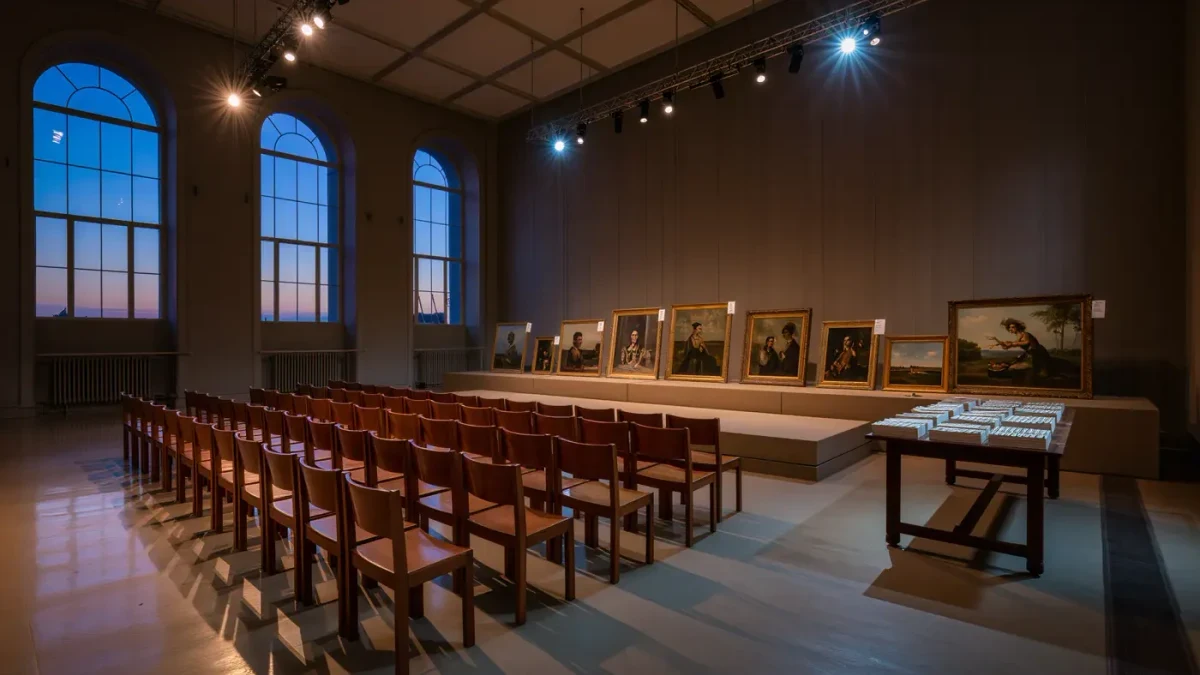
The Royal Academy of Arts announced in early January 2026 that Ryan Gander OBE RA will coordinate the 258th Summer Exhibition, giving the Burlington House galleries over to a theme he calls Interconnectedness. Gander, known for generous, idea-led work that mixes everyday objects with quiet conceptual mischief, now shapes the look and spirit of the world's largest open-submission exhibition when it opens this summer.
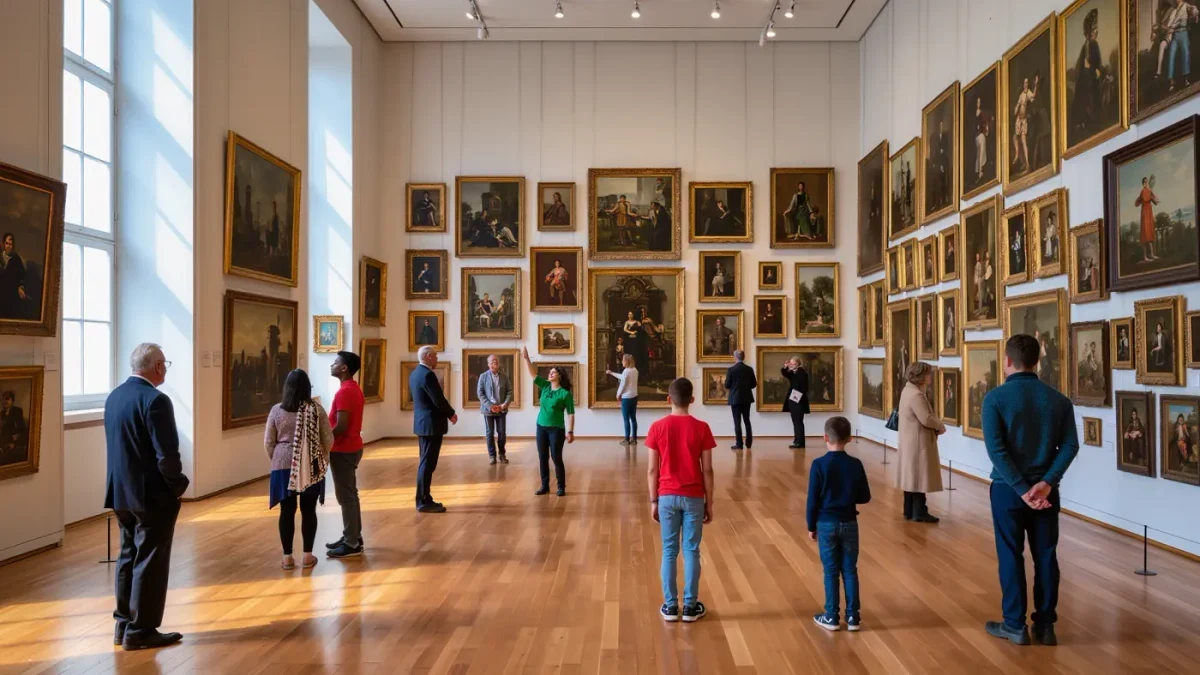
Coordinating is no ceremonial role. Gander leads the hanging committee of Royal Academicians — the Royal Academy named Eileen Cooper, Michael Craig-Martin, Oona Grimes, Katherine Jones and Goshka Macuga among his fellow selectors — deciding how thousands of works by members of the public sit beside those of established artists, salon-style, wall to wall.
For makers and illustrators, the announcement matters for one structural reason: anyone can enter. The Summer Exhibition has long hung watercolours by unknown hands next to work by Royal Academicians, and entries for the 2026 edition open through the Royal Academy's website in the months before the show. Accepted works are offered for sale, with proceeds split between the artist and the Royal Academy's charitable work, per the institution's published arrangements for past editions.
Related stories: Lubaina Himid Carries Britain to the Venice Biennale · Etsy Fees Explained: What a £60 Sale Actually Leaves in Your Pocket.
The open-submission tradition, which the programme has kept since 1769, is the reason crafts-adjacent artists watch the coordinator choice so closely — each one redraws the balance between painting, print, architecture and object-making. Gander's record of treating objects as ideas suggests a year when made things will be read closely, an outlook coverage of the Summer Exhibition's open tradition has long celebrated.