Design
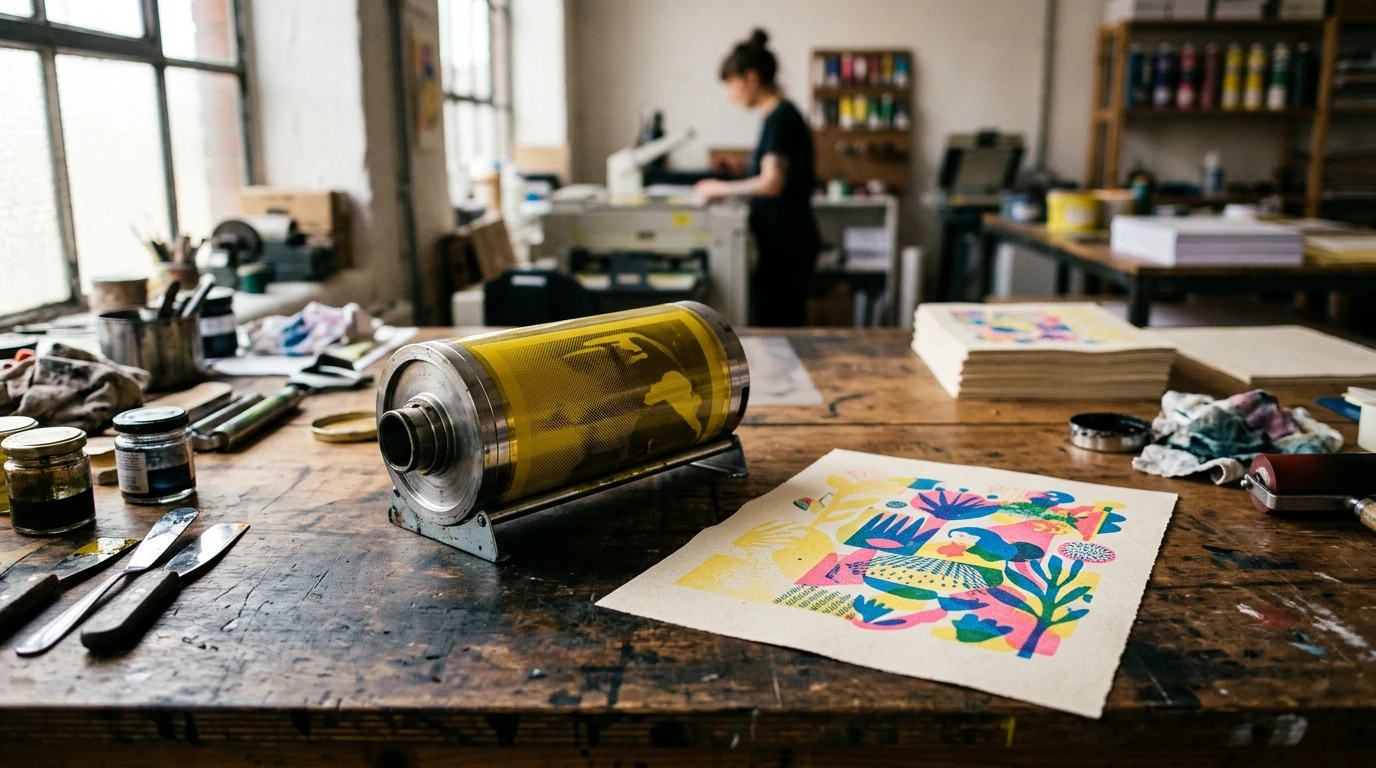
How Does Risograph Printing Actually Work?
A layered, one-colour-at-a-time process that turns a stencil and a spinning drum into the grainy, glowing prints illustrators can't stop making.
The design thinking behind handmade work: composition, proportion, palette behavior under different light, pattern repeats, typography on packaging and the small layout choices that make an object look resolved. Explained with examples rather than rules. For makers who can build but want stronger decisions.
A layered, one-colour-at-a-time process that turns a stencil and a spinning drum into the grainy, glowing prints illustrators can't stop making.
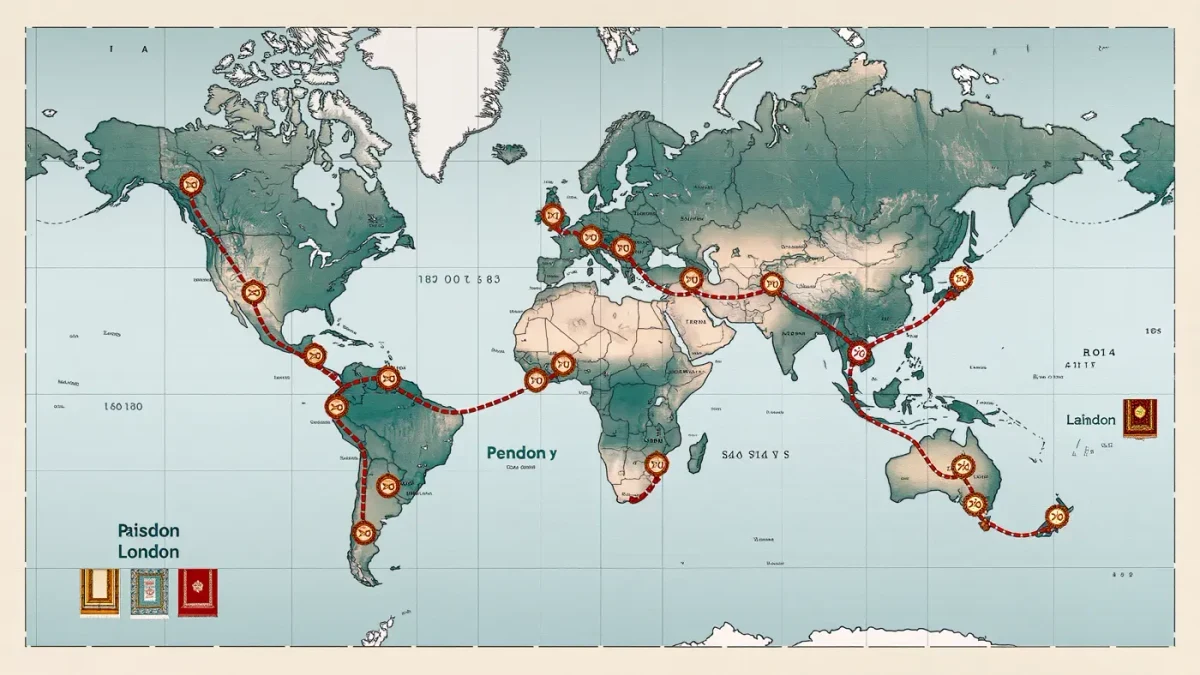
The paisley teardrop began as a Persian boteh, crossed the mountains into Kashmiri weaving and reached Scottish looms via fashionable Europe — a motif that migrated for centuries before it settled on ties and scarves.

A book page looks like a neutral container, but every margin, line spacing and running head answers to a grid — one of the oldest and quietest pieces of design there is.
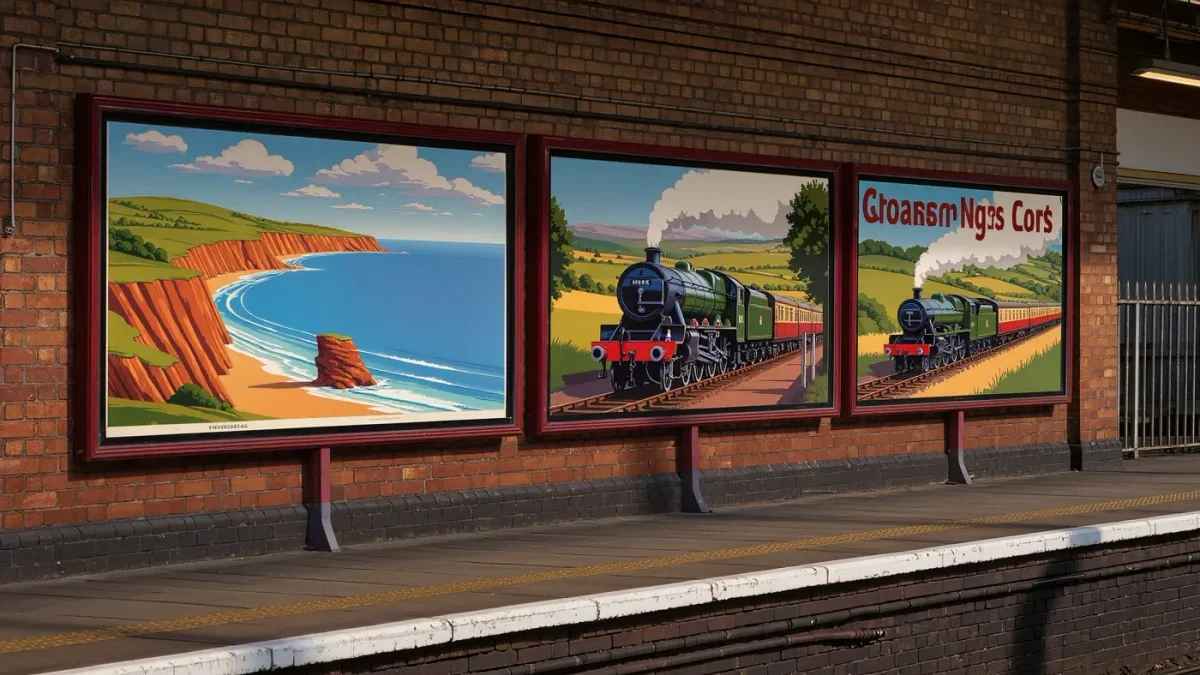
Between 1923 and 1947 Britain's four railway companies flooded the country with bold colour lithographs, and the lessons inside those posters still hold for anyone composing an image to be read in seconds.
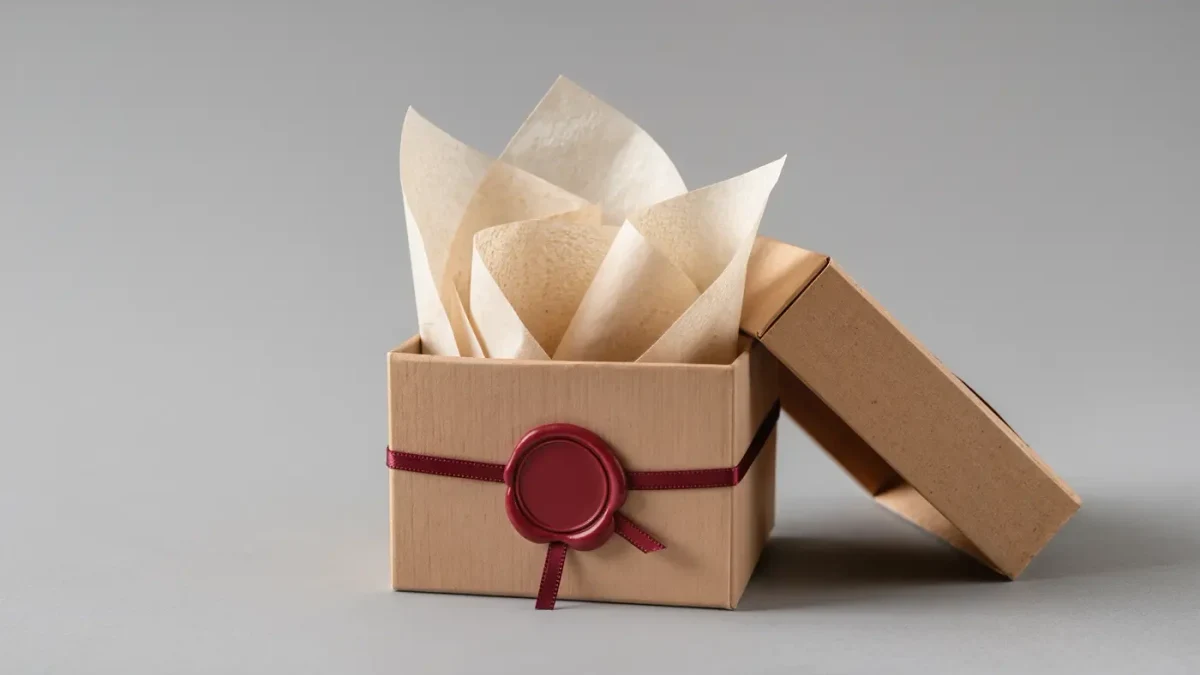
Behind every parcel that arrives intact from a small studio stands a stack of design decisions — board grade, inserts, tissue and seals — made to protect the work and tell its story at the same time.
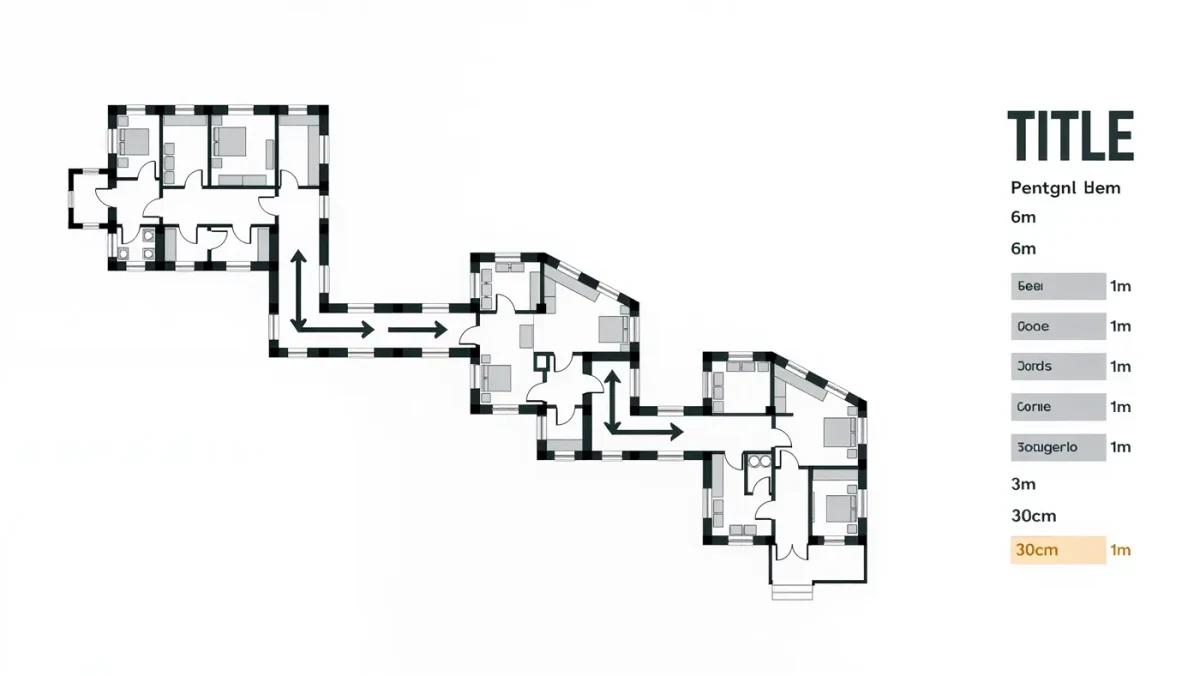
Exhibition graphics are the quiet machinery of a museum show — title walls, section panels, labels and wayfinding — designed, tested and installed long before the first visitor walks in.
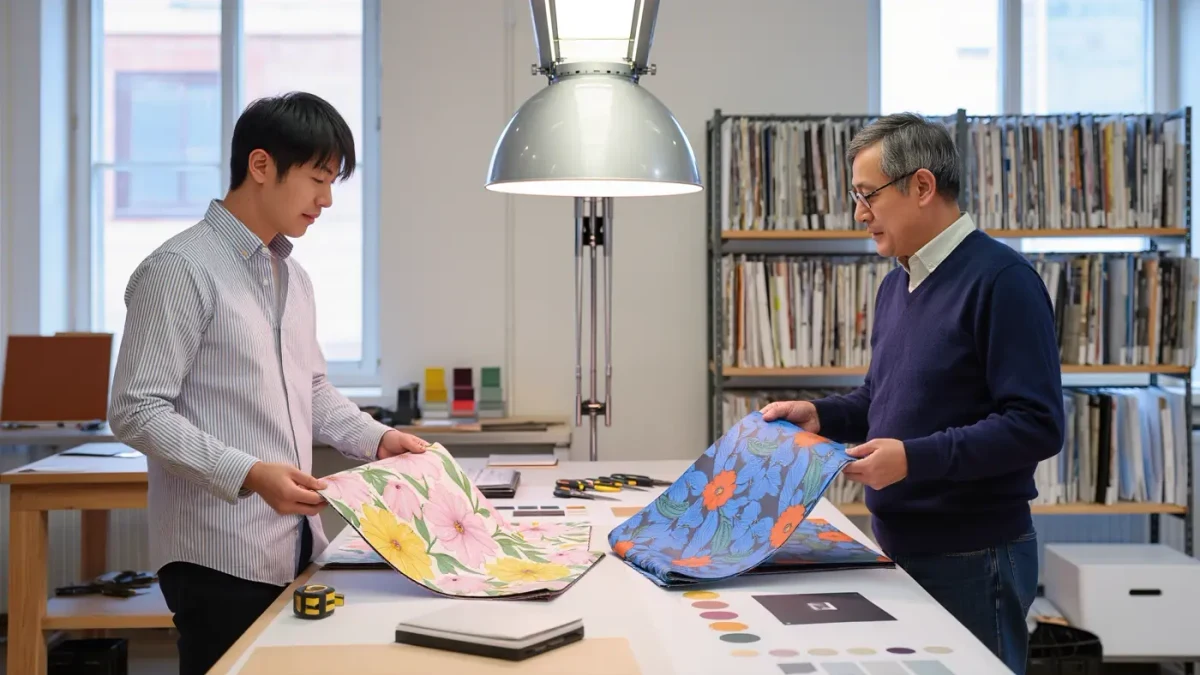
A colourway is the same pattern printed in a different palette, and studios build them in deliberate families so one good drawing can serve many rooms, wardrobes and seasons.
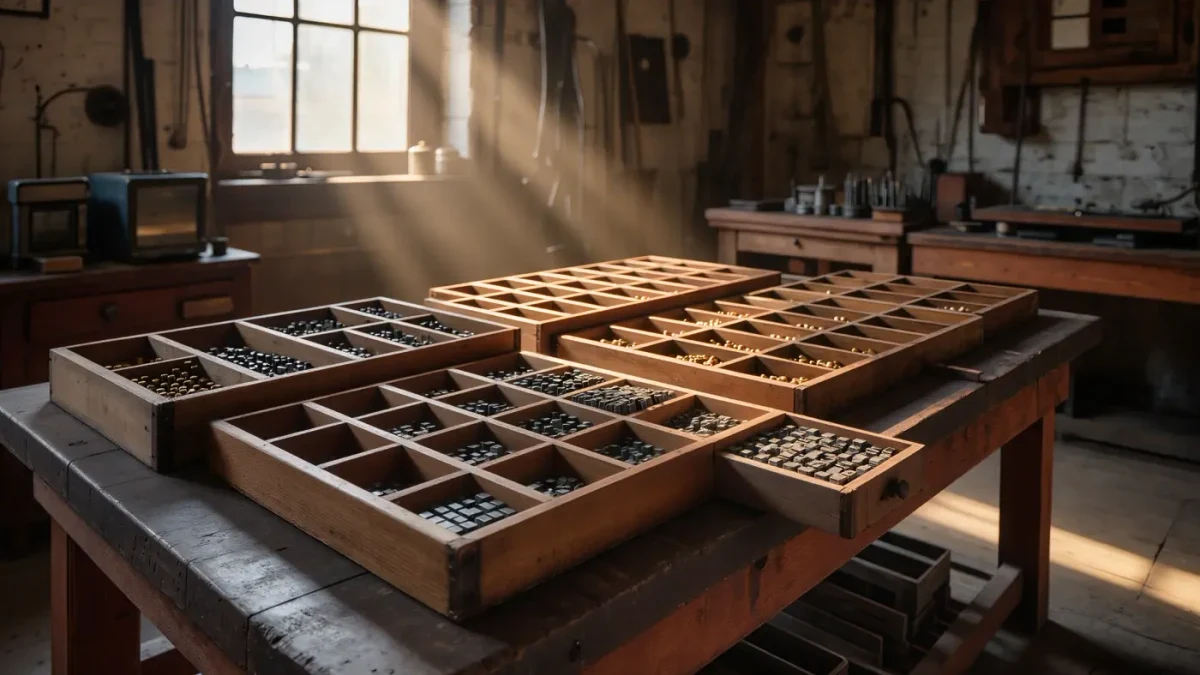
Every letterform carries dozens of named parts — bowls, counters, terminals, spurs — and each one is a quiet decision a type designer has already made on the reader's behalf.
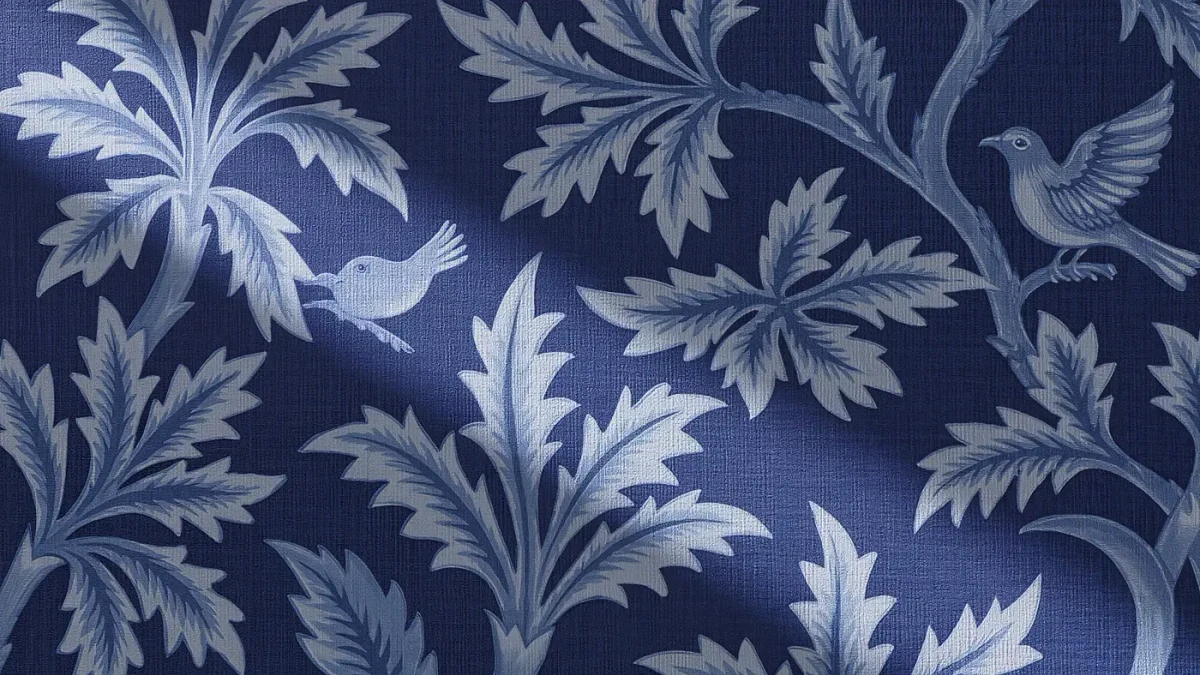
William Morris printed his first wallpaper in 1864, and the rules he set for pattern — visible structure, honest materials, nature disciplined by order — still quietly govern how British designers build repeats today.
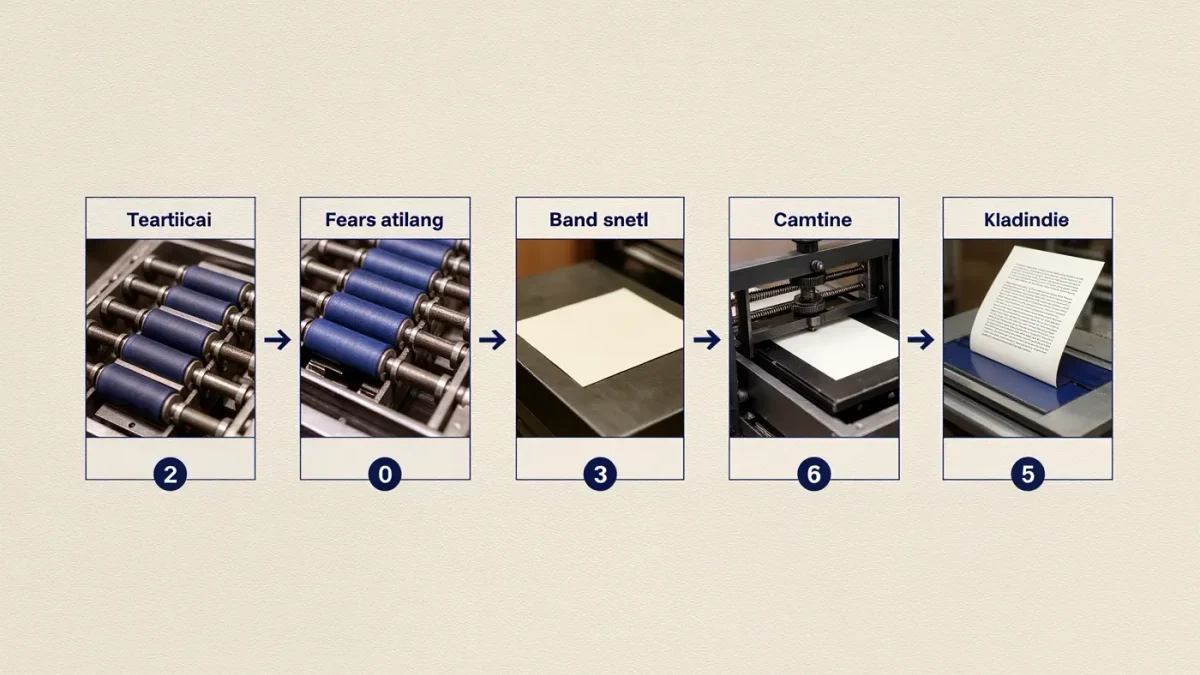
Letterpress is a five-hundred-year-old relief printing process that faster machines were meant to finish off, yet British studios keep inking type by hand for the depth, texture and deliberateness it leaves on a page.