Tutorials
Why Glazes Crackle and Crack: A Plain Ceramic Primer
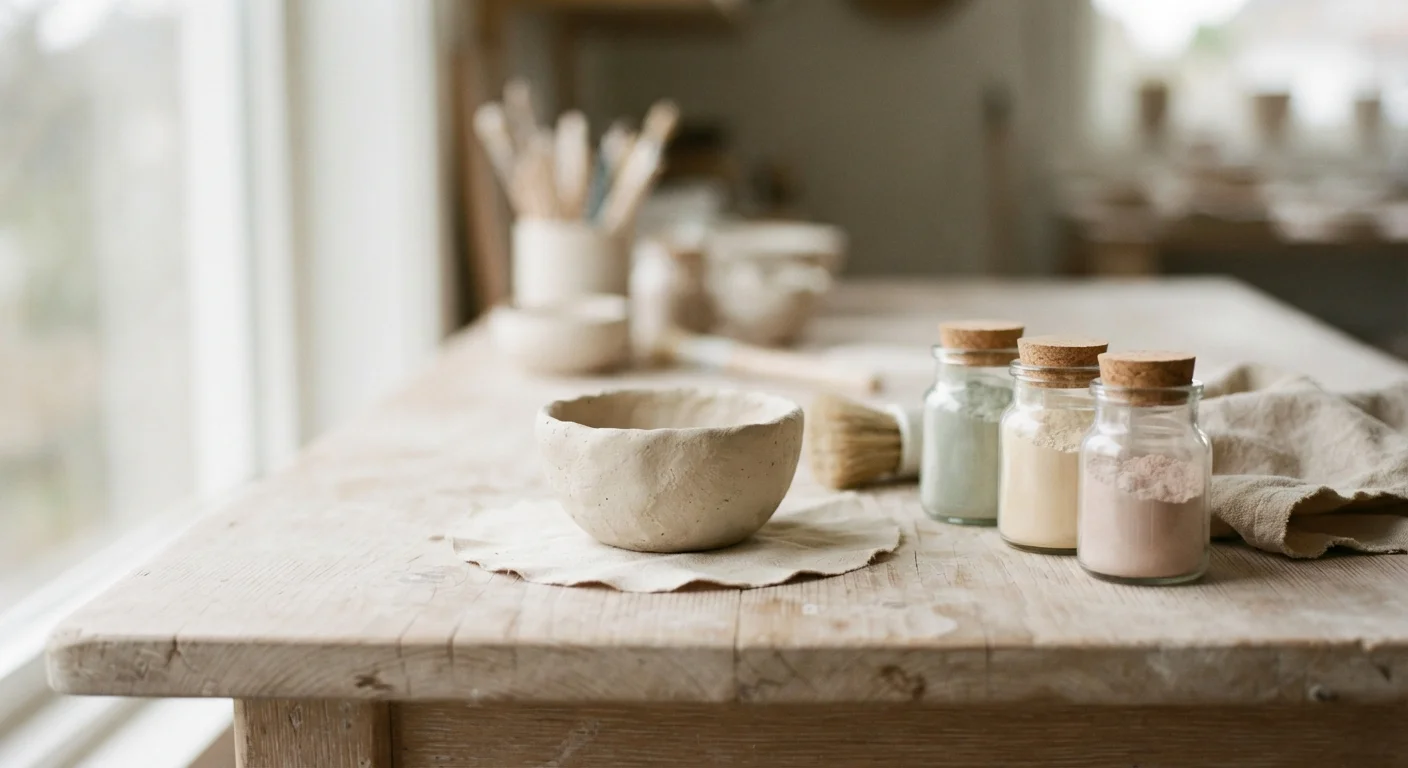
Glaze is melted glass bonded to clay, and it cracks when glass and clay shrink at different rates — a materials story of silica, flux, and thermal expansion every potter meets early.
Numbered project instructions tested from start to finish: exact supplies with quantities, stage-by-stage photos, drying and curing times, full cost, and the errors flagged before they happen. Projects range from an hour to a weekend. Written for beginners and for teachers planning group sessions.
Glaze is melted glass bonded to clay, and it cracks when glass and clay shrink at different rates — a materials story of silica, flux, and thermal expansion every potter meets early.
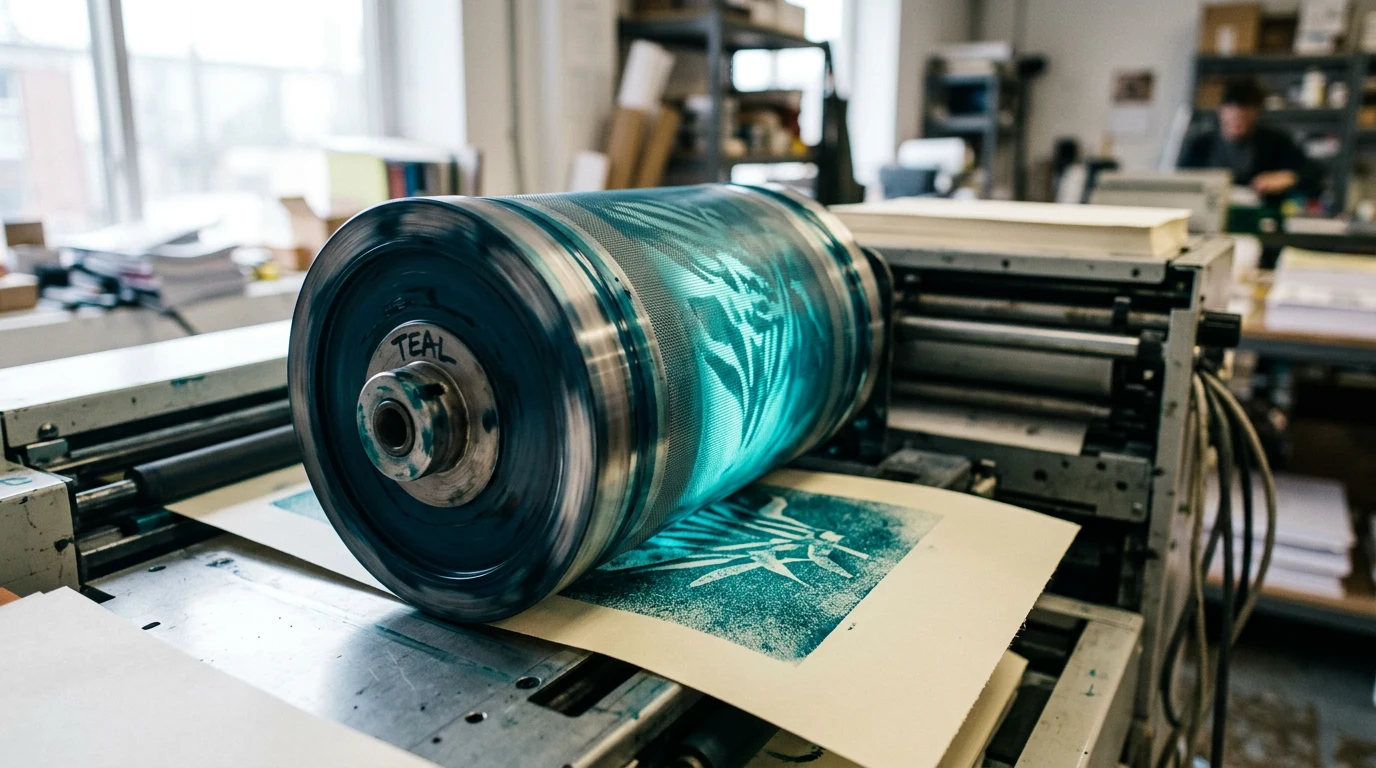
A duplicator built for offices in 1950s Japan has become the print studio of choice for illustrators chasing texture, cost and glorious imperfection.
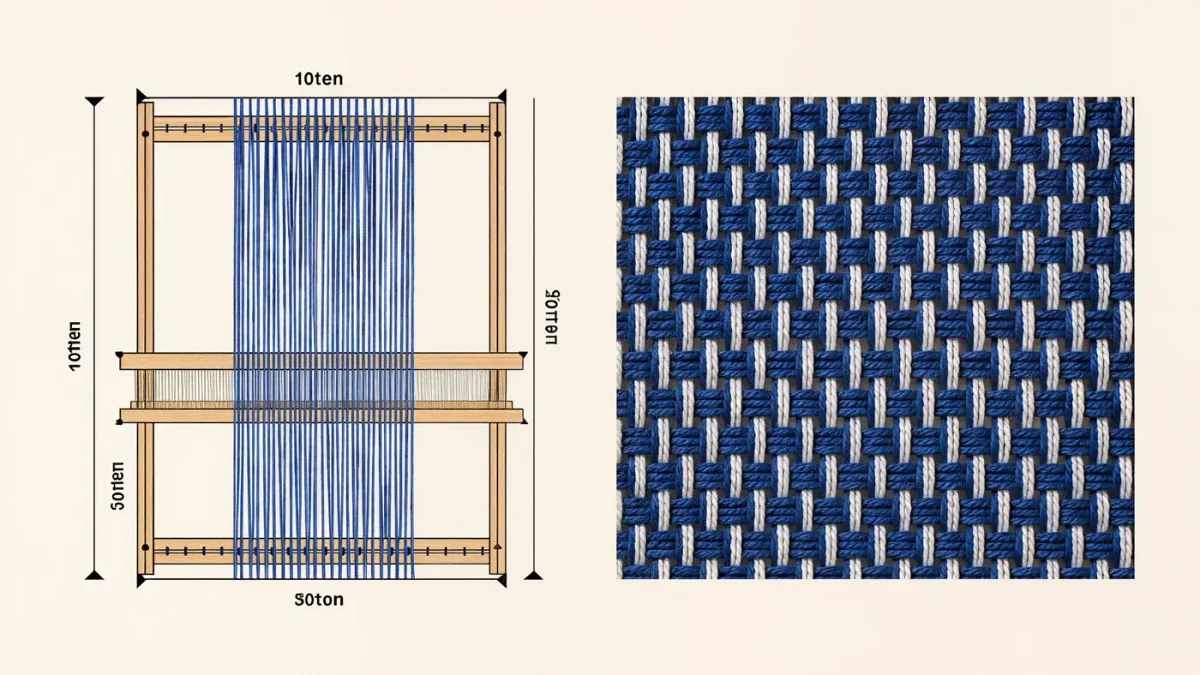
Warping a frame loom with even tension and the right thread spacing, then building a first piece of plain weave row by patient row.
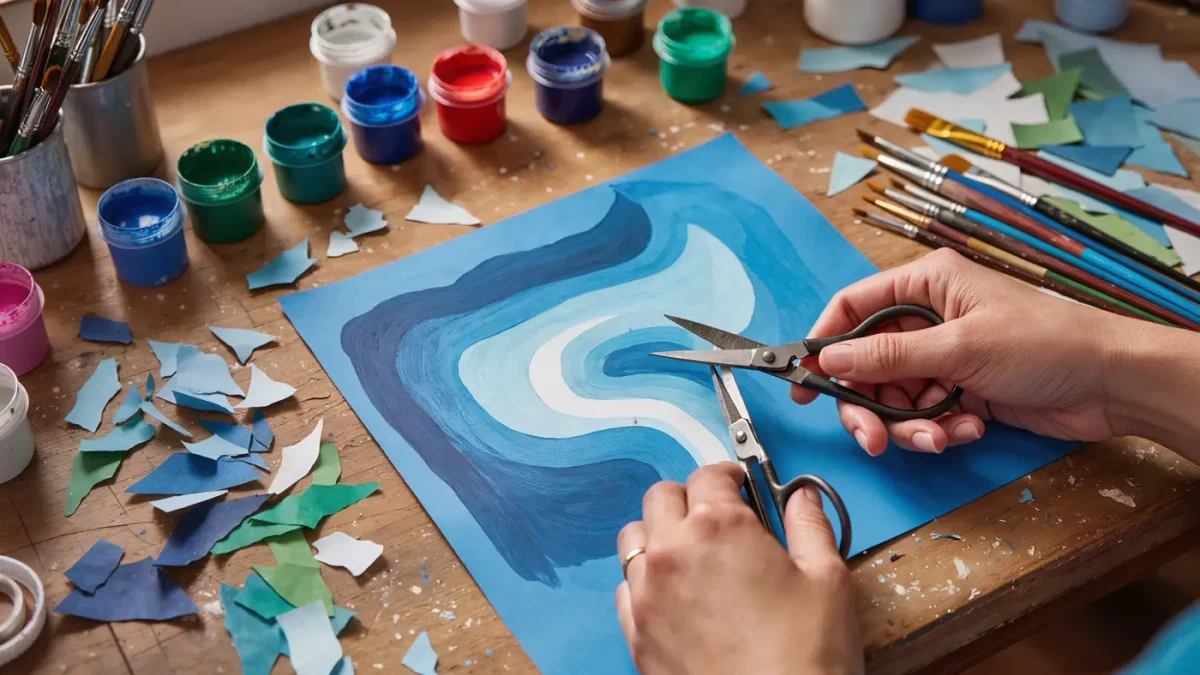
Cut-paper techniques drawn from Matisse's late cut-outs, from painting sheets of colour to composing with positive and negative shapes.
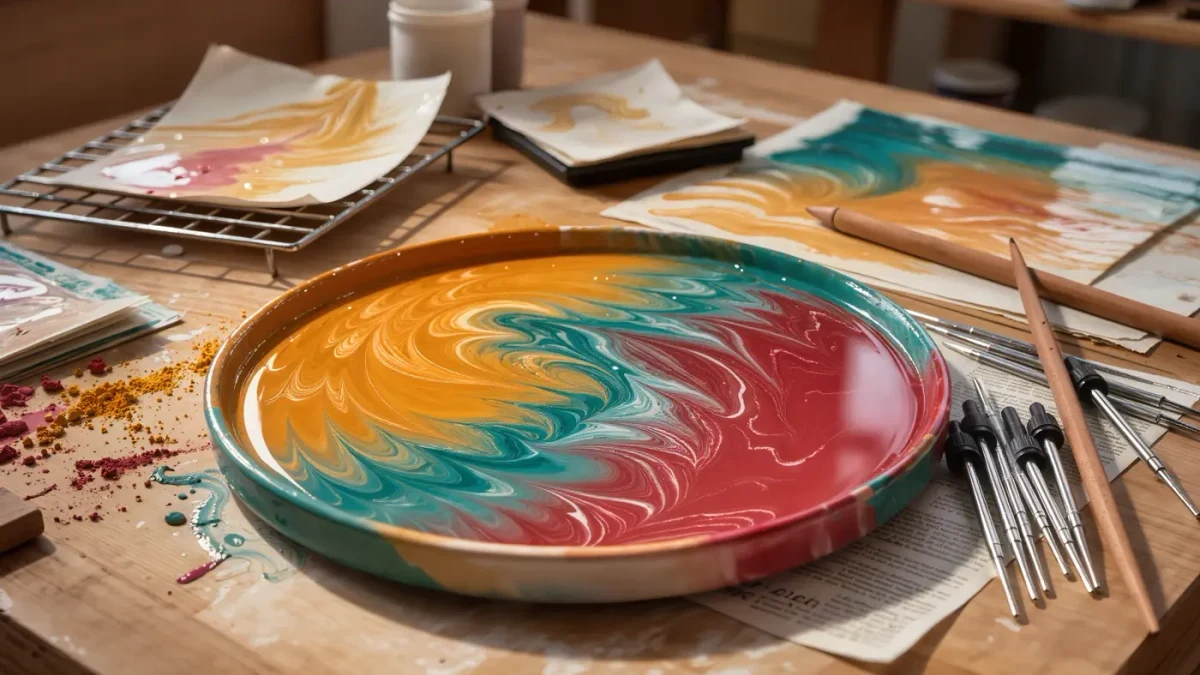
The carrageenan bath method for floating colour, raking patterns and lifting them cleanly onto paper at a kitchen table.
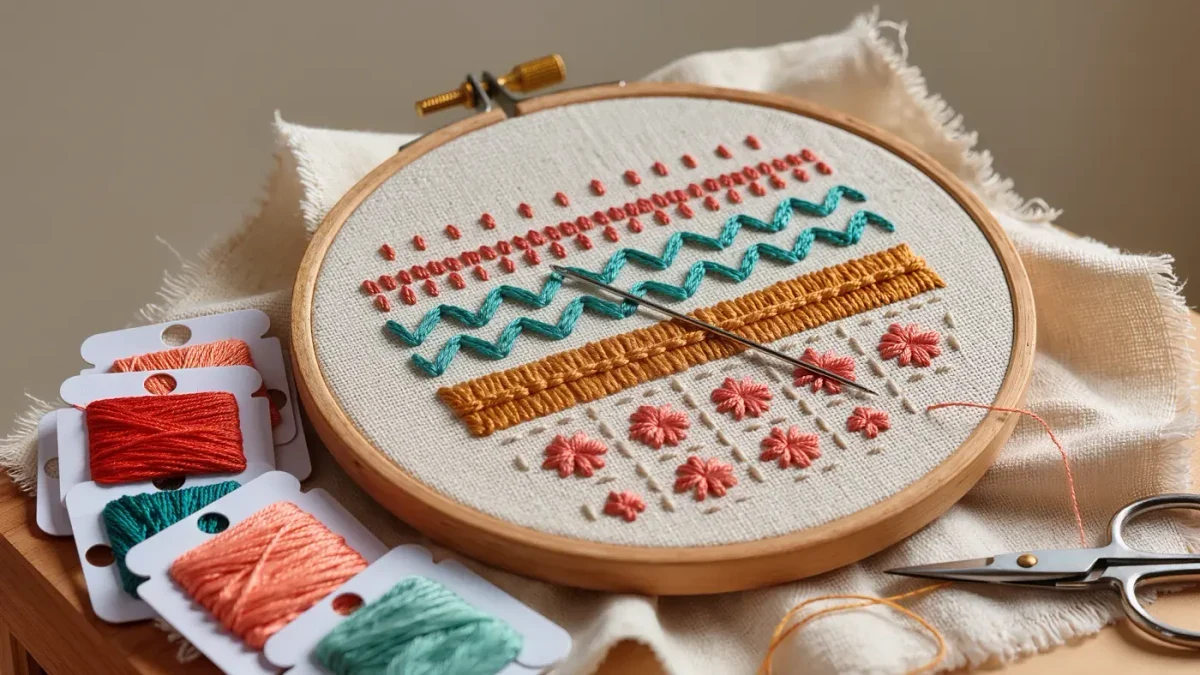
Back stitch, stem stitch, satin stitch, French knots and detached chain cover the outlines, fills and petals of nearly every embroidery pattern.
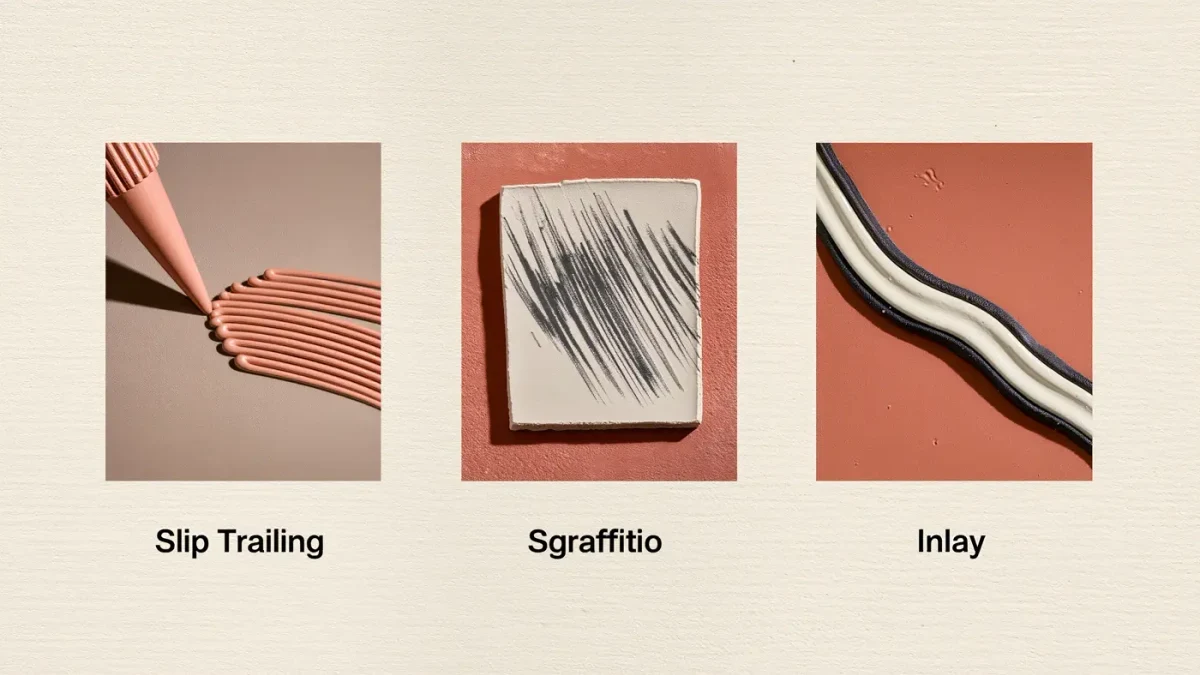
Slip trailing, sgraffito and inlay compared as three routes to pattern at the forgiving leather-hard stage of clay.
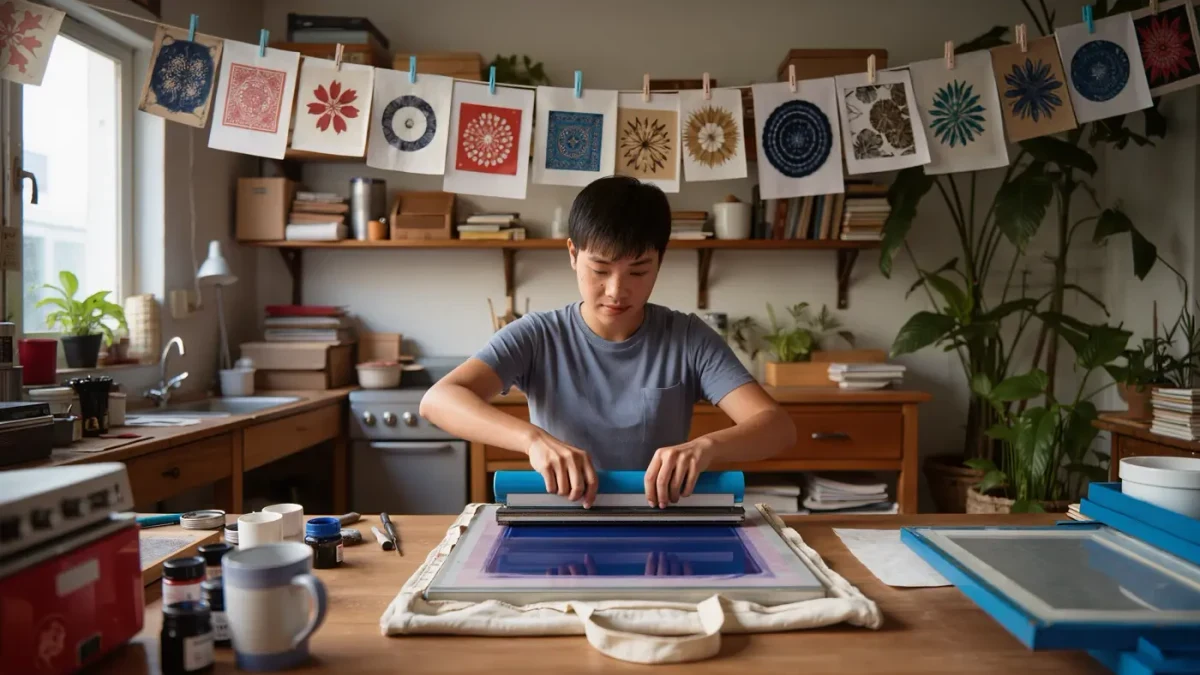
A complete home method using paper stencils, a 43T mesh screen and one firm squeegee pass to print textiles from the kitchen table.
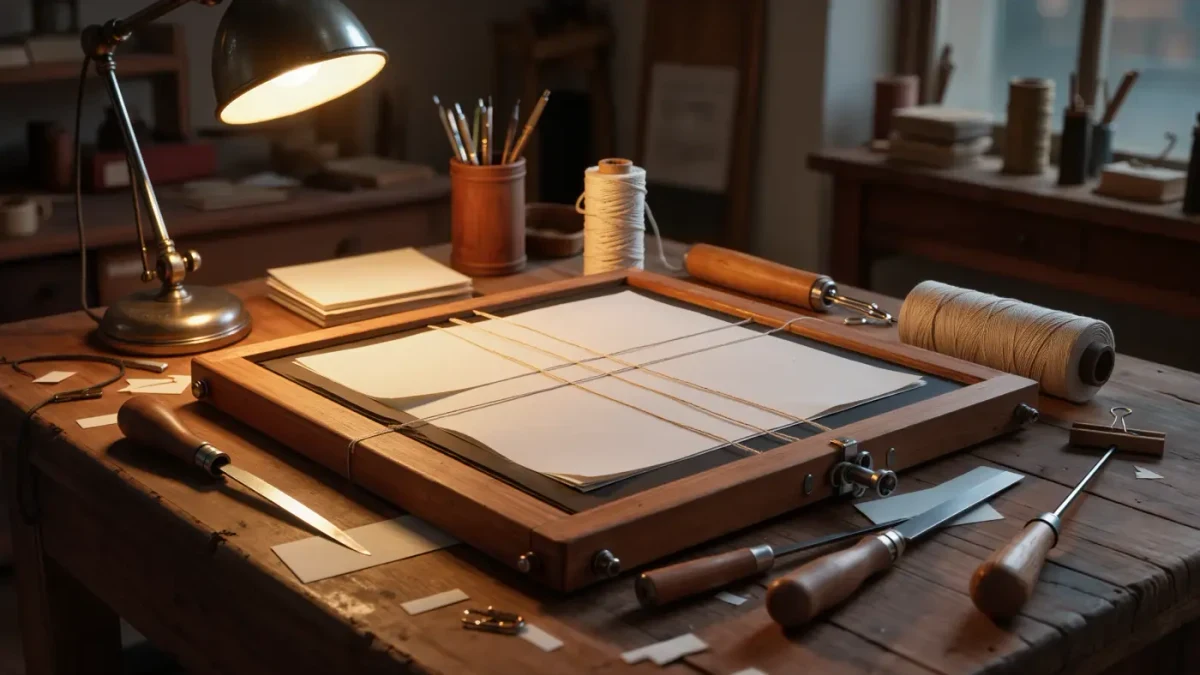
A step-by-step guide to sewing an exposed-spine book through folded signatures with linked chain stitches and not a drop of adhesive.
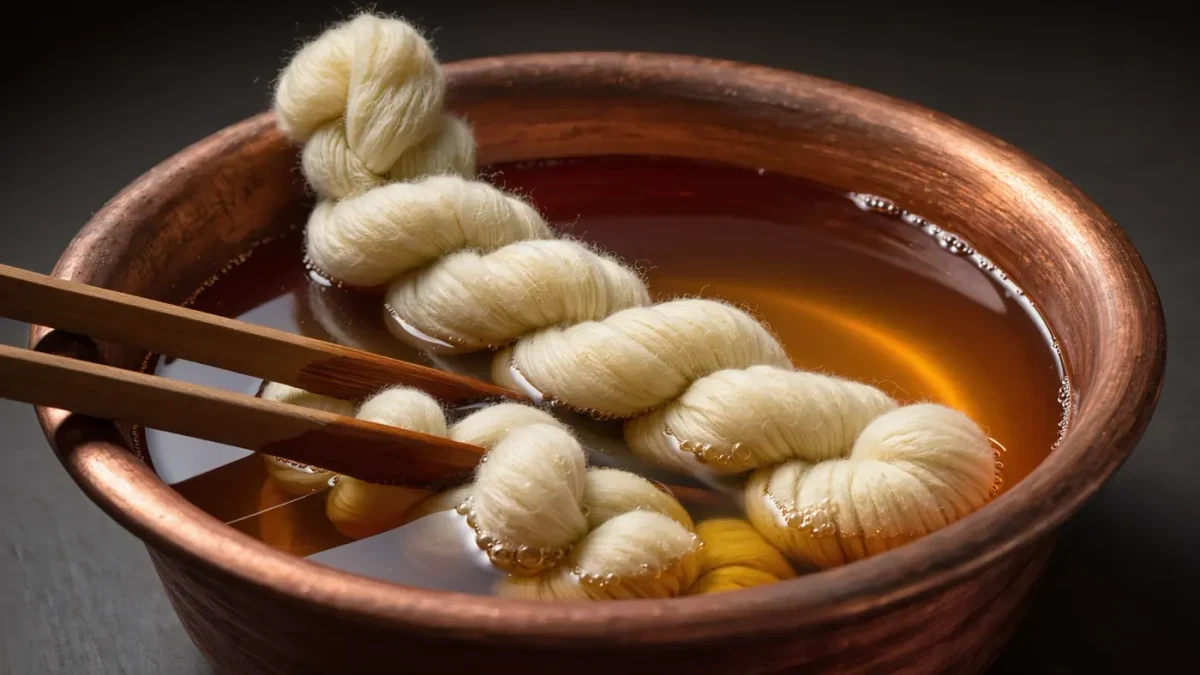
A gentle, step-by-step method for mordanting wool with alum, brewing a plant dye bath and rinsing without felting a single fibre.