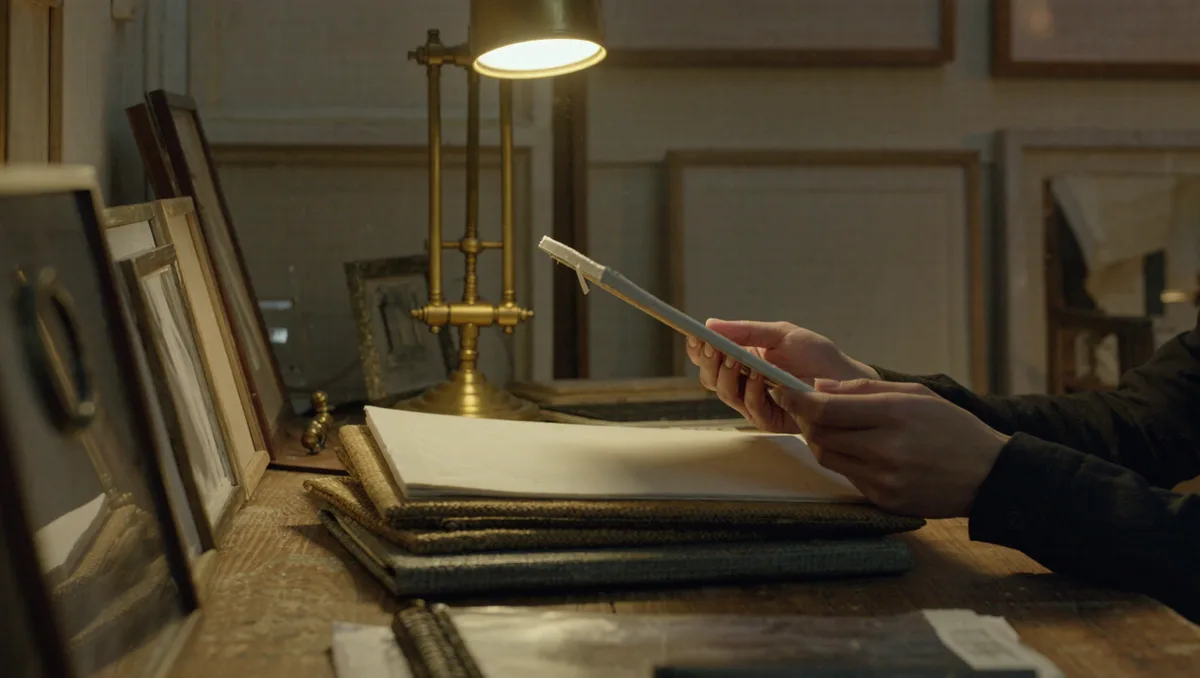
How Galleries Decide Which Artists to Represent
Submissions, scouting and the quiet economics behind the artists a gallery takes on.
Submissions, scouting and the quiet economics behind the artists a gallery takes on.
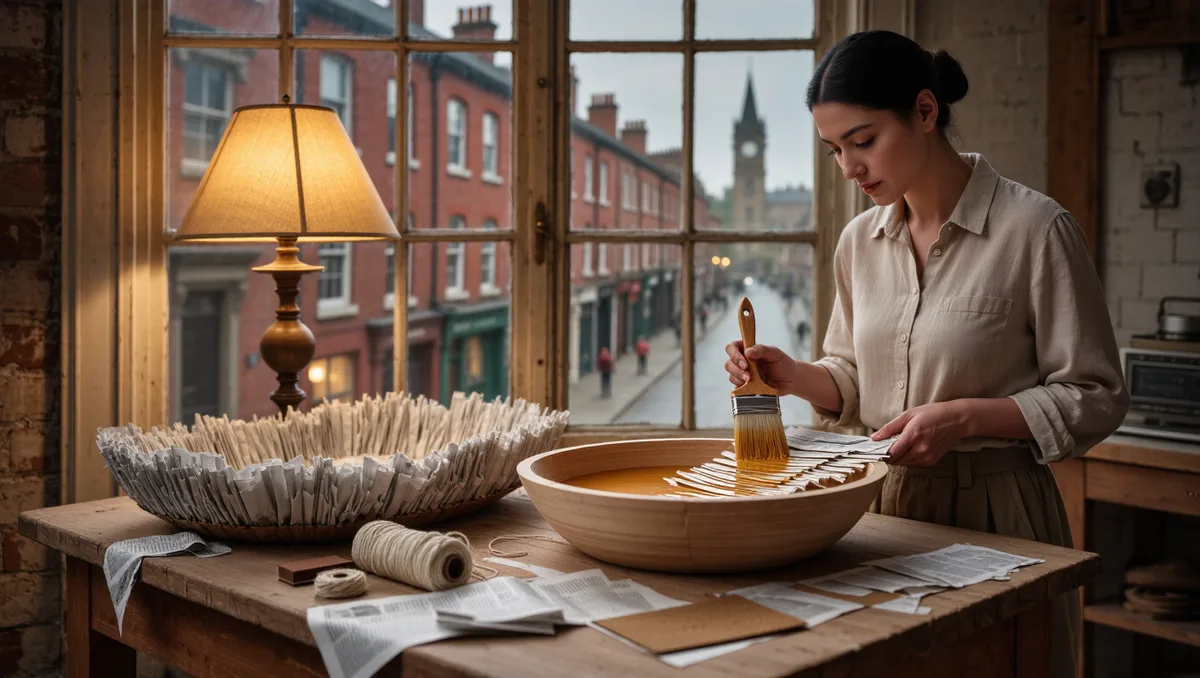
Layered with paste and finished well, yesterday’s newspaper becomes trays, bowls and vases with a Victorian pedigree — elegant home decor that costs nothing but drying time.
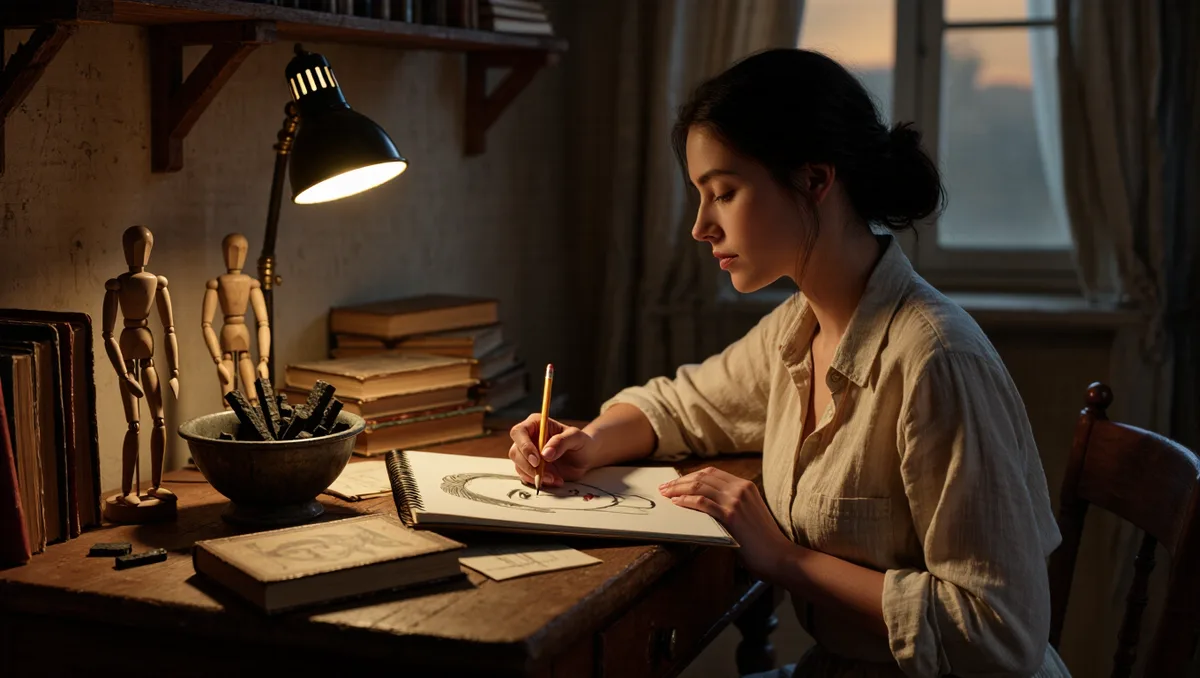
Most beginner faces fail for the same handful of reasons. Fix the proportions first, then build features on top.
Pressure, tilt, spacing and texture do the work a bristle does by hand — here is how the settings map to the physics.
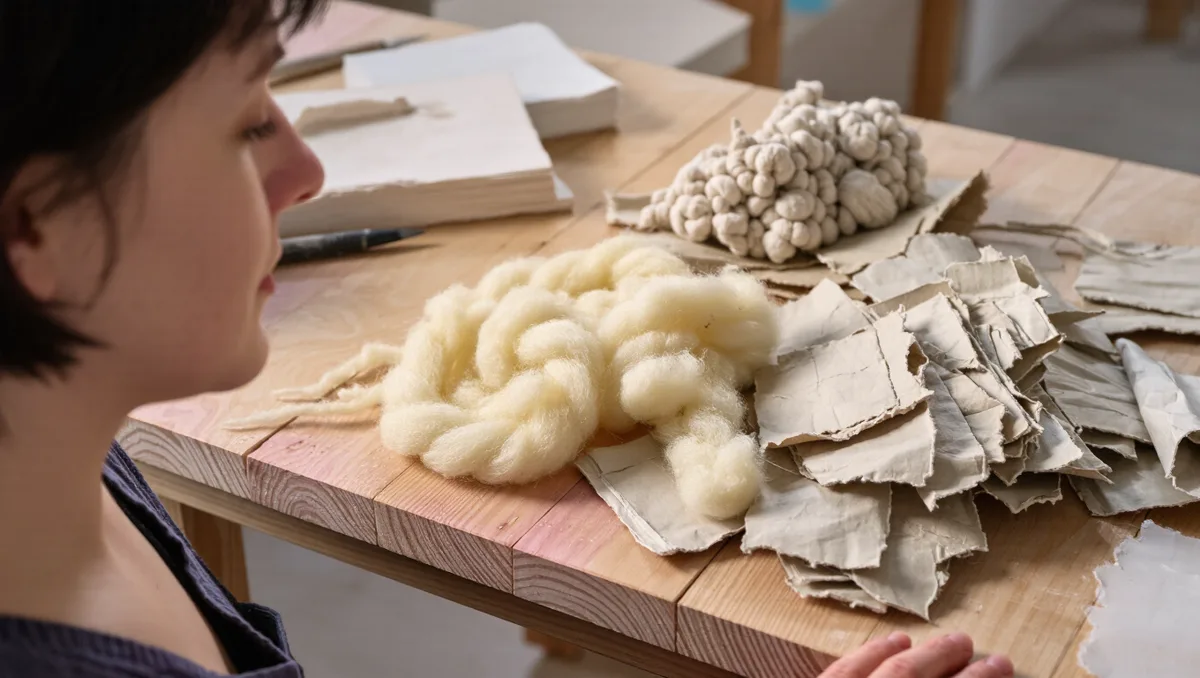
What art directors actually look for, what to cut, and how to shape a portfolio around the work you want more of.
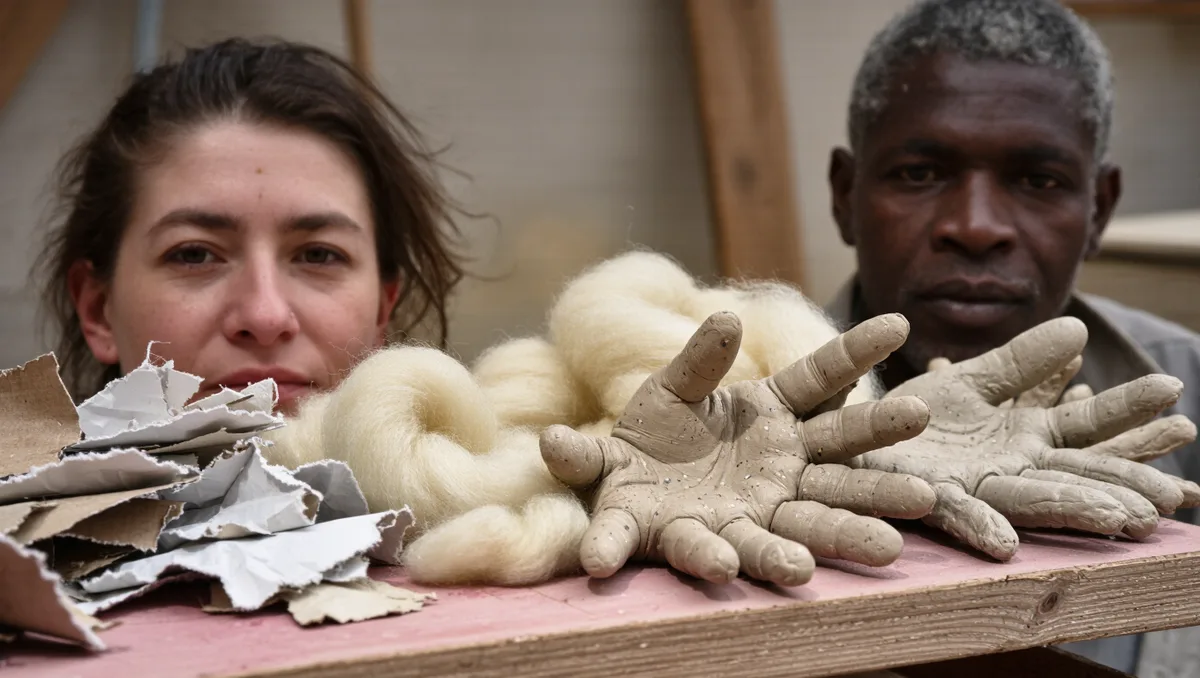
A plain-English guide to what illustration is, how it differs from fine art and graphic design, and why the borders between them are blurrier than job titles suggest.
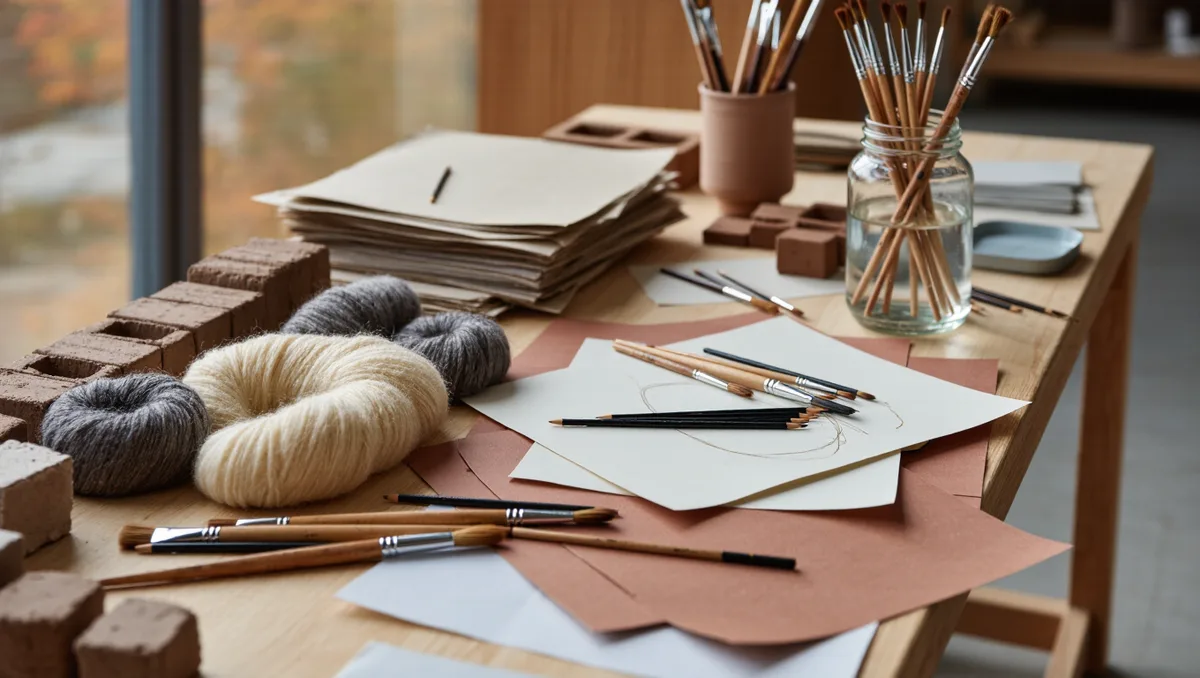
Shorter days, a lower sun and leaves that turn for a reason — what the season actually does to light and colour, and how to build it into your illustrations.
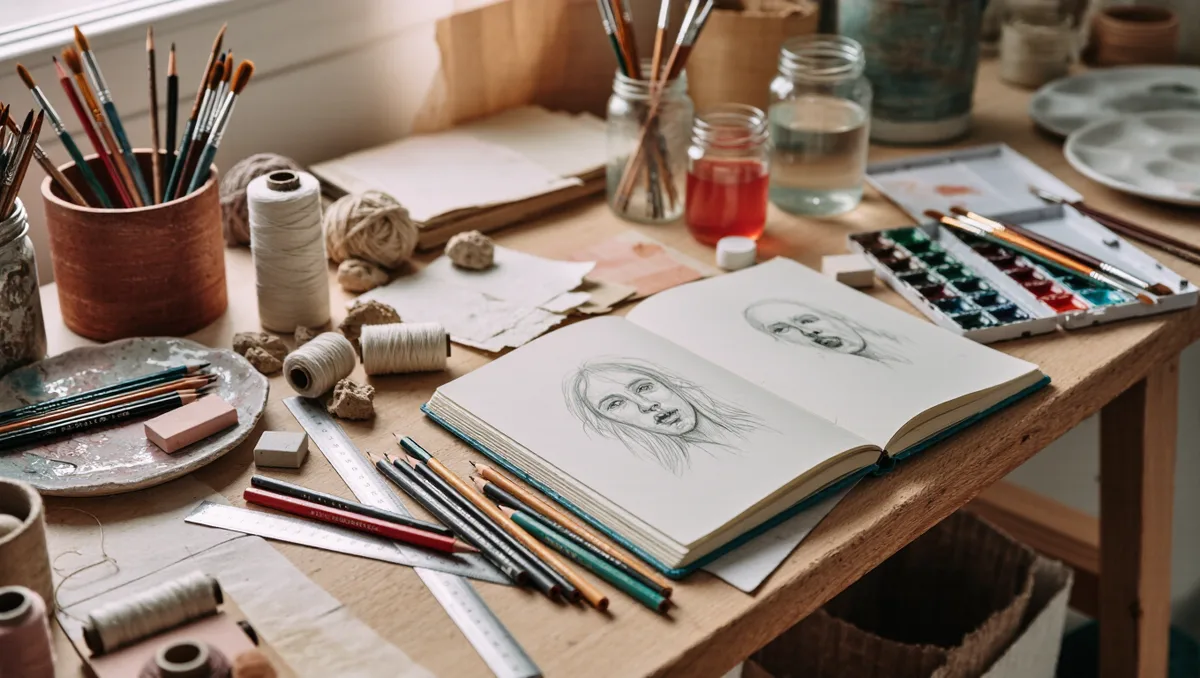
From picture books to packaging labels, here is who commissions illustration, what each kind of job asks of the artist, and how the money arrives.
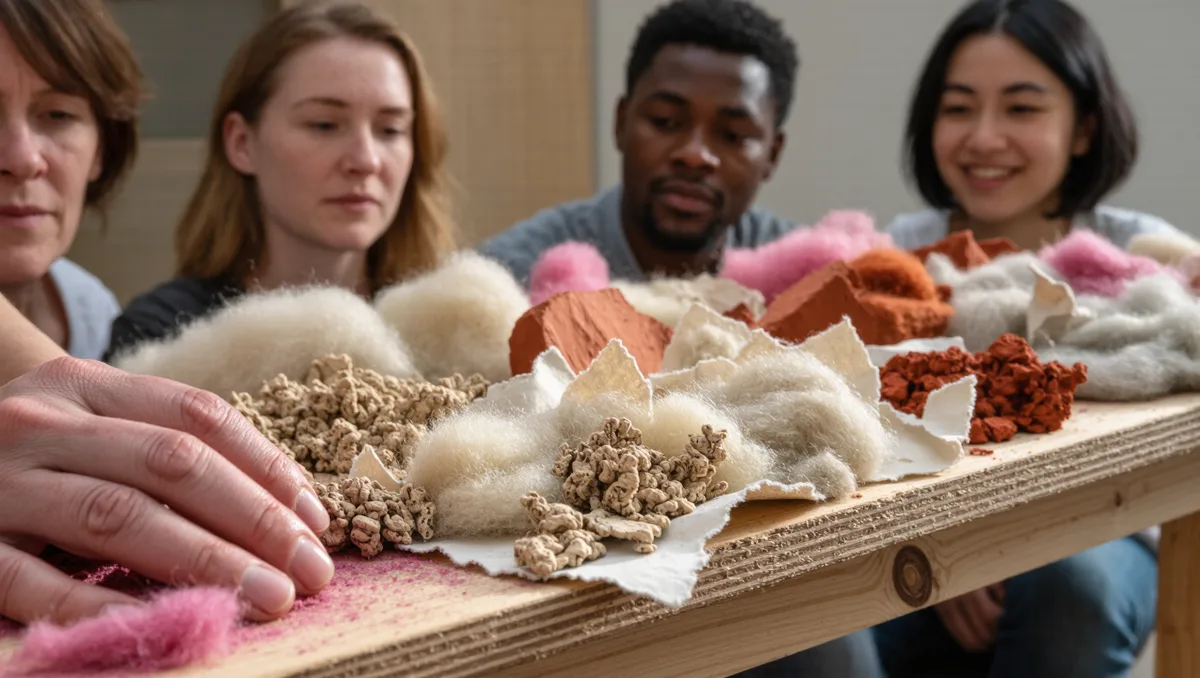
What actually makes a chair well made, and how to judge it in the showroom before the price tag decides for you.
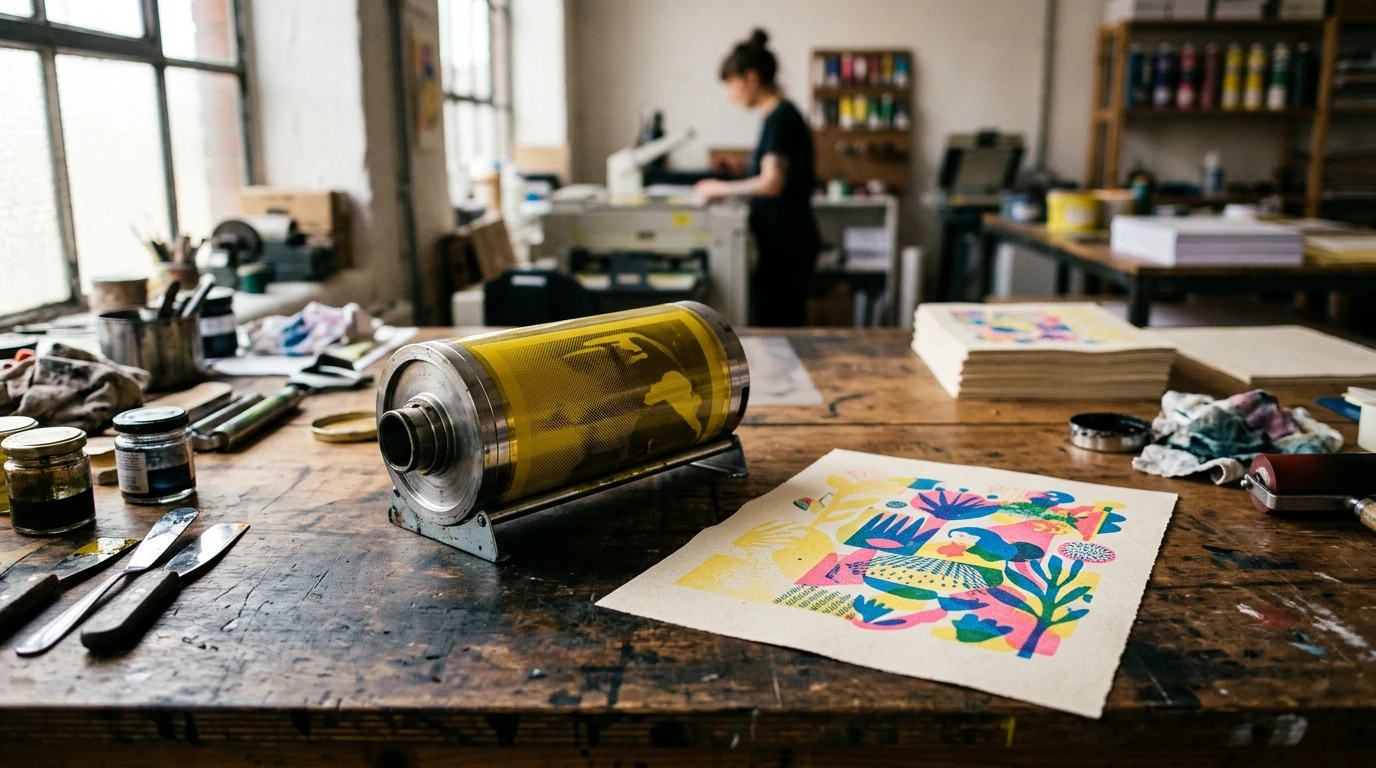
A layered, one-colour-at-a-time process that turns a stencil and a spinning drum into the grainy, glowing prints illustrators can't stop making.
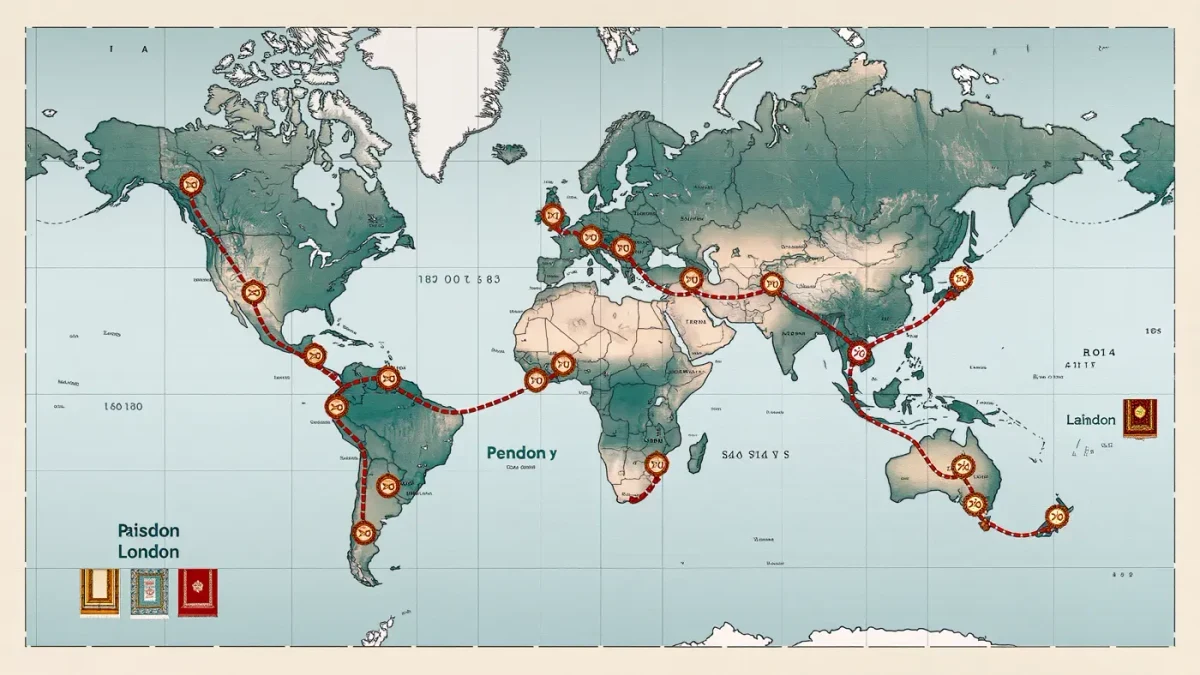
The paisley teardrop began as a Persian boteh, crossed the mountains into Kashmiri weaving and reached Scottish looms via fashionable Europe — a motif that migrated for centuries before it settled on ties and scarves.
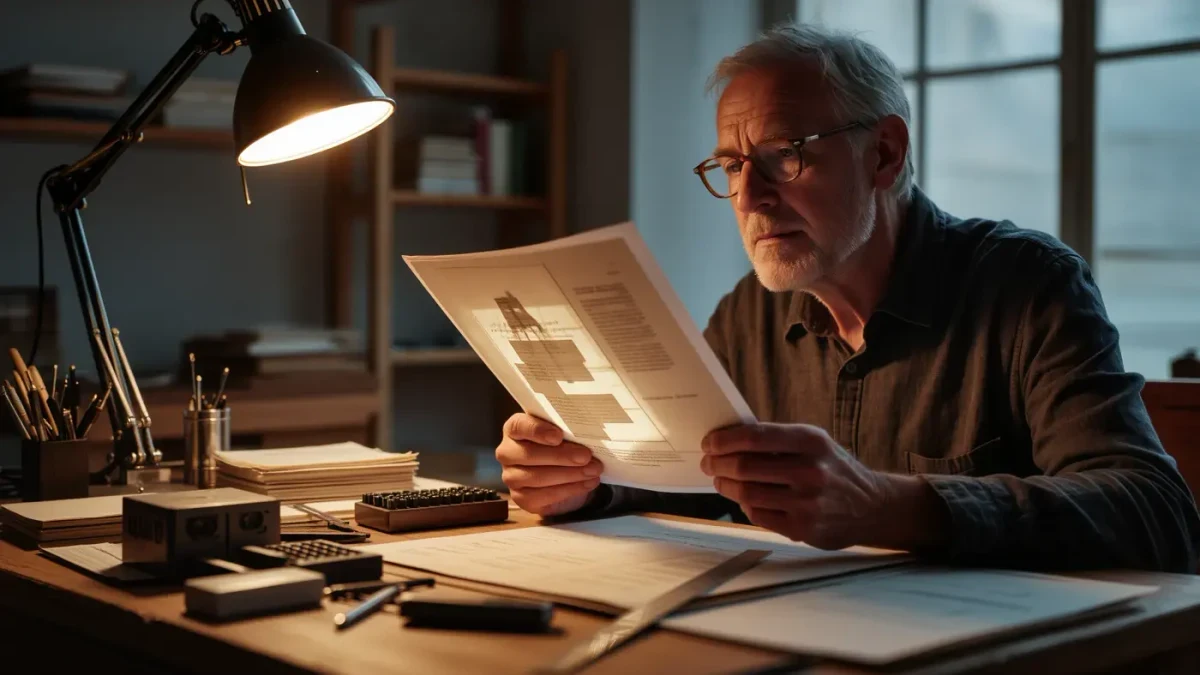
A book page looks like a neutral container, but every margin, line spacing and running head answers to a grid — one of the oldest and quietest pieces of design there is.
Glaze is melted glass bonded to clay, and it cracks when glass and clay shrink at different rates — a materials story of silica, flux, and thermal expansion every potter meets early.
Safe, simple paper projects that build little hands with almost no preparation — and almost no cost.
The 11th-century embroidery — some 70 metres of stitched narrative — has been confirmed for display at the British Museum from September 2026, the first time it has returned to Britain since it was made.
A festive open evening and a show about postwar photographic fantasy make odd companions. That tension may be the point — or it may be a problem.
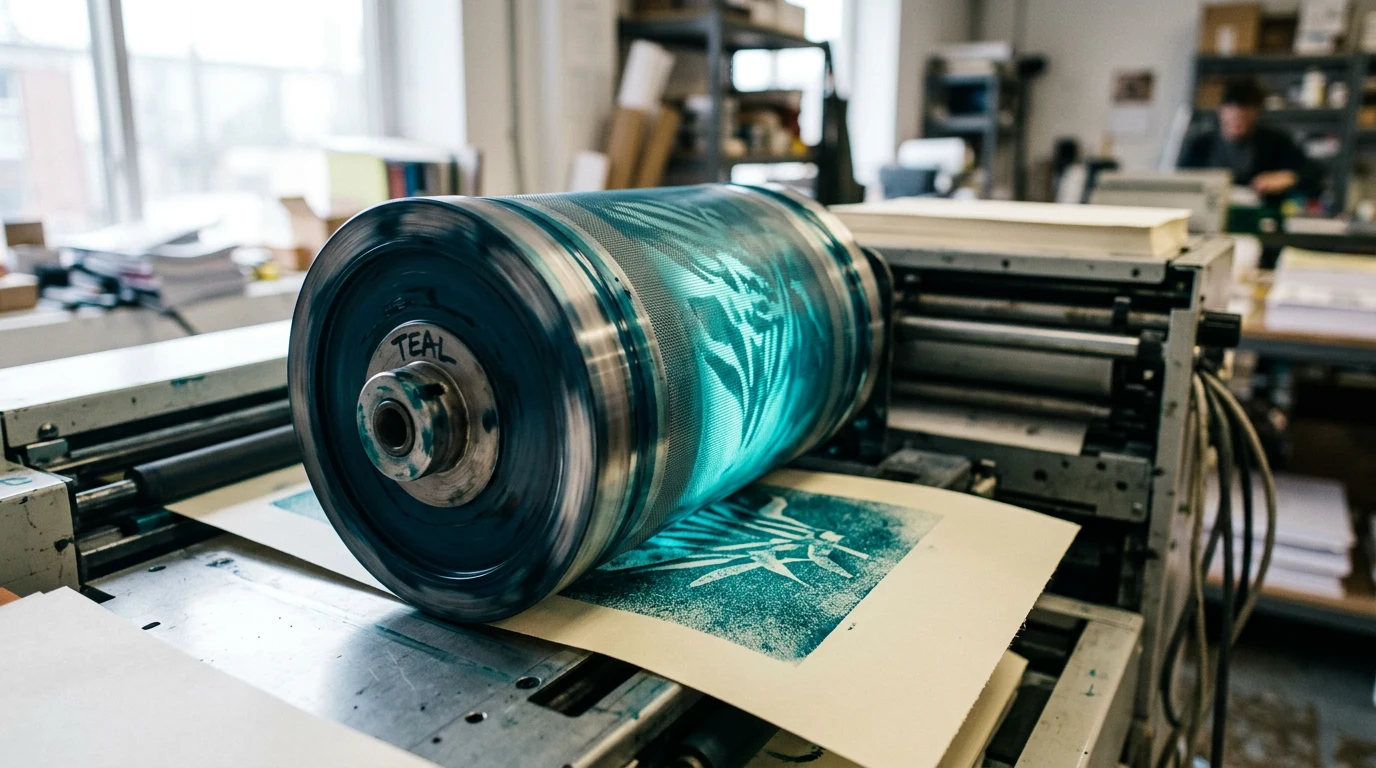
A duplicator built for offices in 1950s Japan has become the print studio of choice for illustrators chasing texture, cost and glorious imperfection.
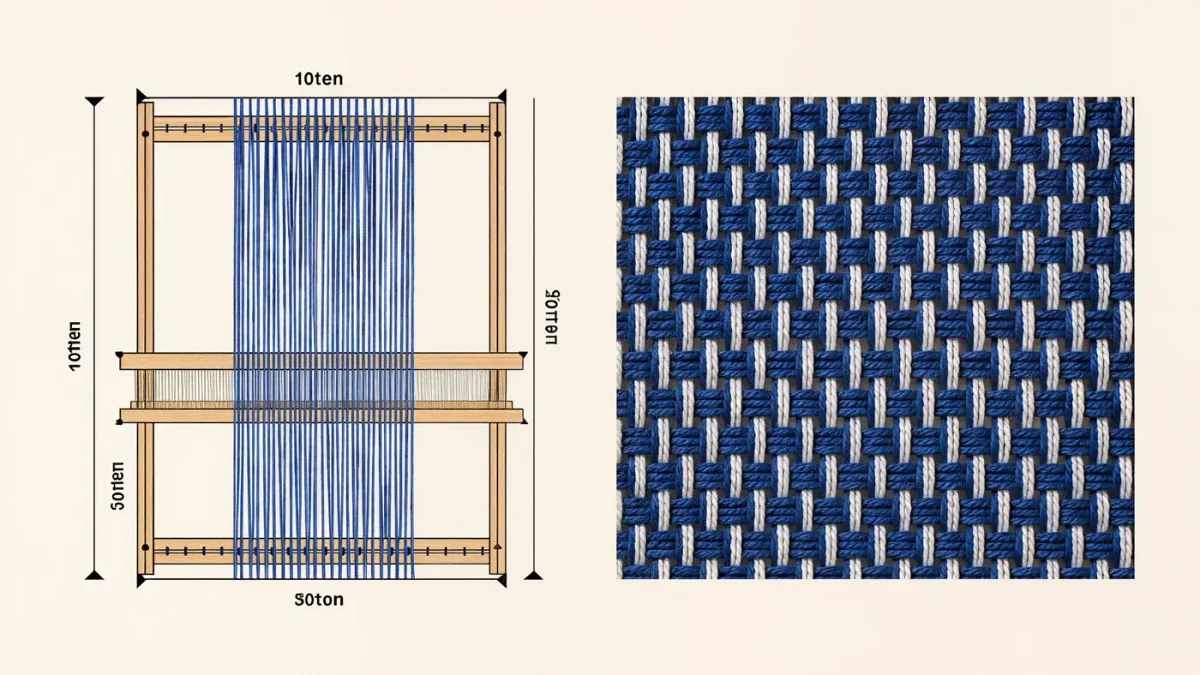
Warping a frame loom with even tension and the right thread spacing, then building a first piece of plain weave row by patient row.
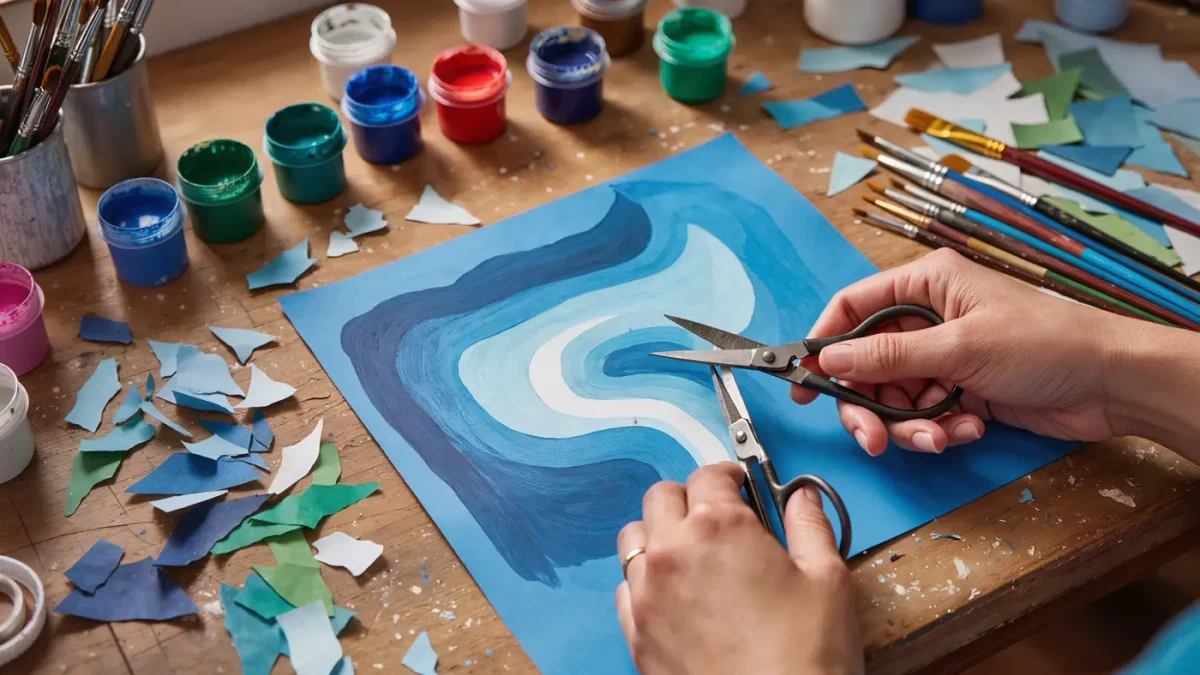
Cut-paper techniques drawn from Matisse's late cut-outs, from painting sheets of colour to composing with positive and negative shapes.
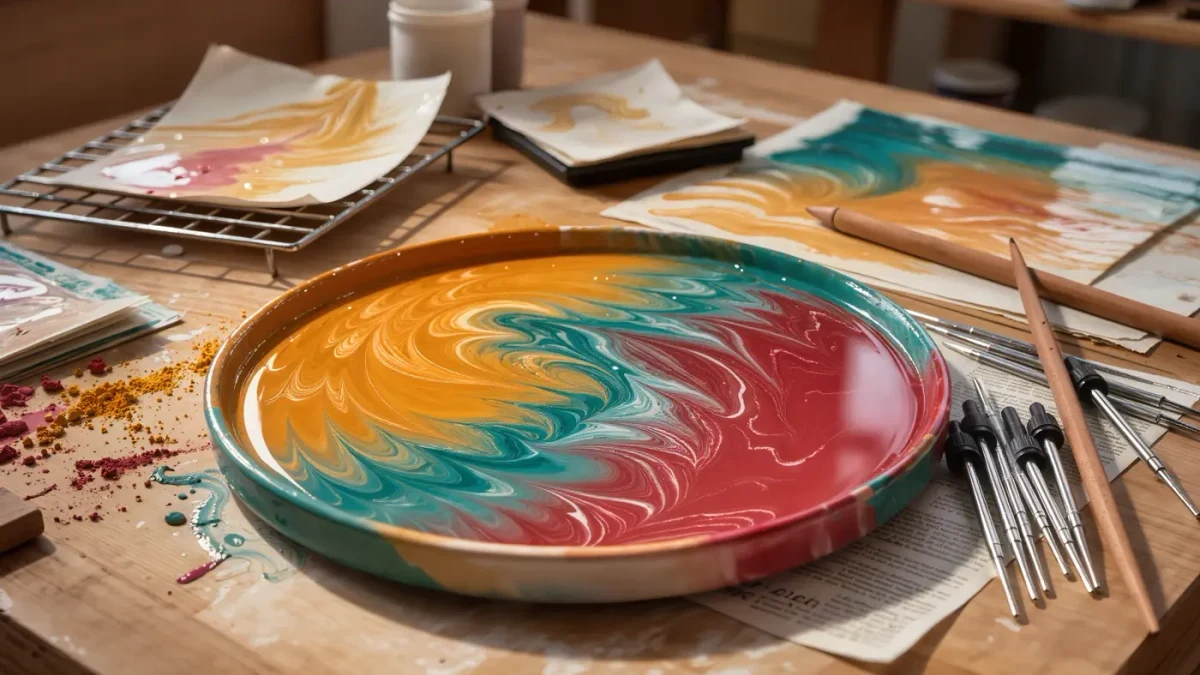
The carrageenan bath method for floating colour, raking patterns and lifting them cleanly onto paper at a kitchen table.
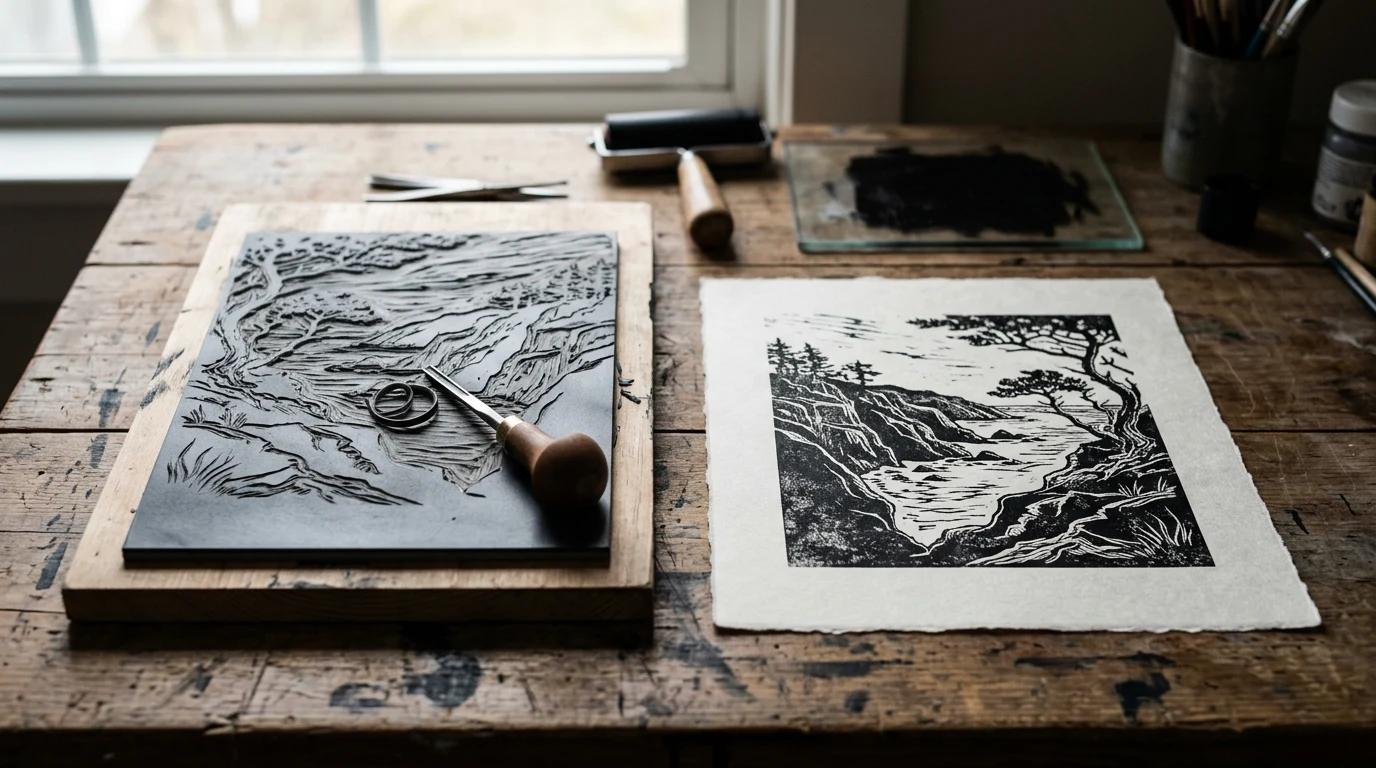
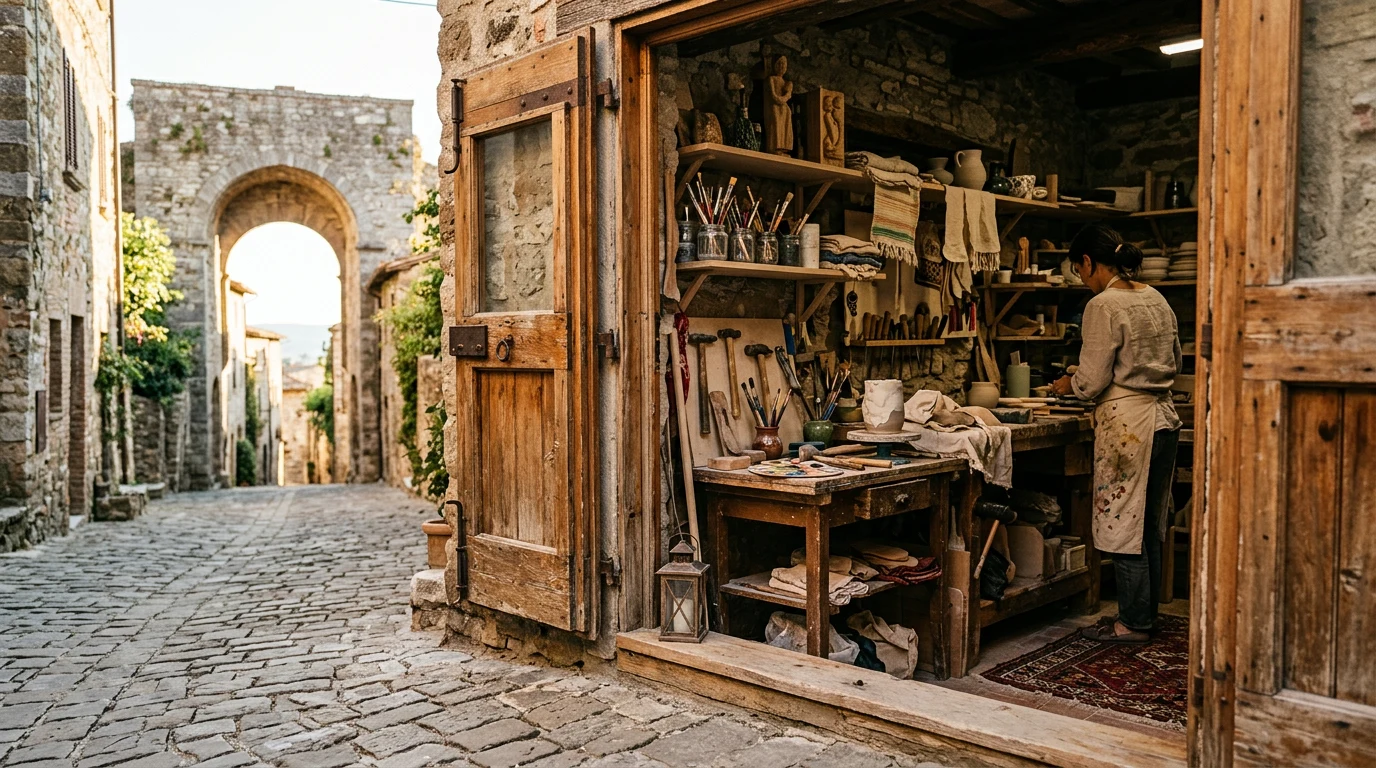
Independent makers and collectives are invited to pitch ambitious, craft-led proposals for the next edition of Somerset House's celebrated showcase.
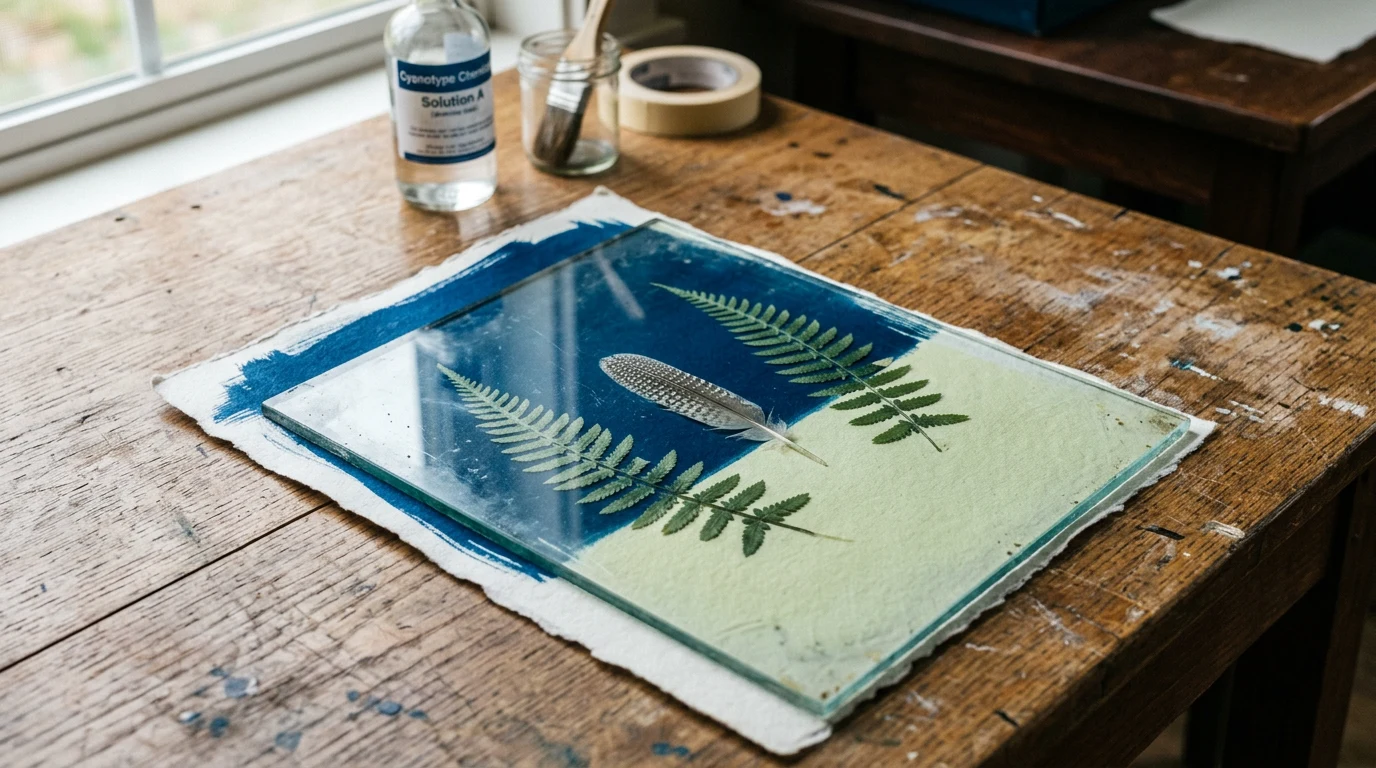
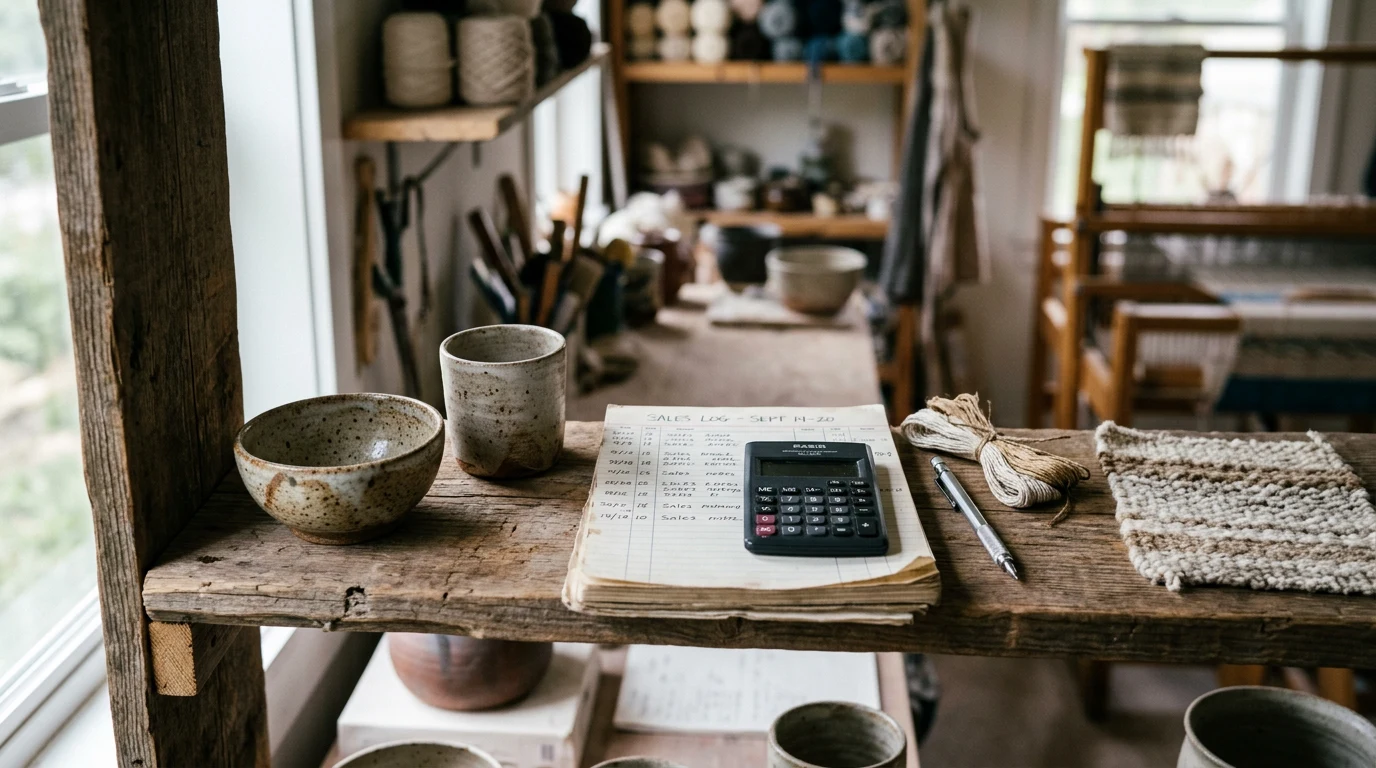
The rule that decides when a maker's turnover tips them from hobbyist into VAT-registered trader, and what the deadlines actually require.
The £1,000 trading allowance, the October registration deadline and the records that save an evening of panic — a plain-language map of the moment making starts counting as trading.
Plymouth's museum, gallery and archive took the £120,000 prize at a ceremony aboard the Cutty Sark, seeing off a shortlist that included the National Gallery and the Fitzwilliam.
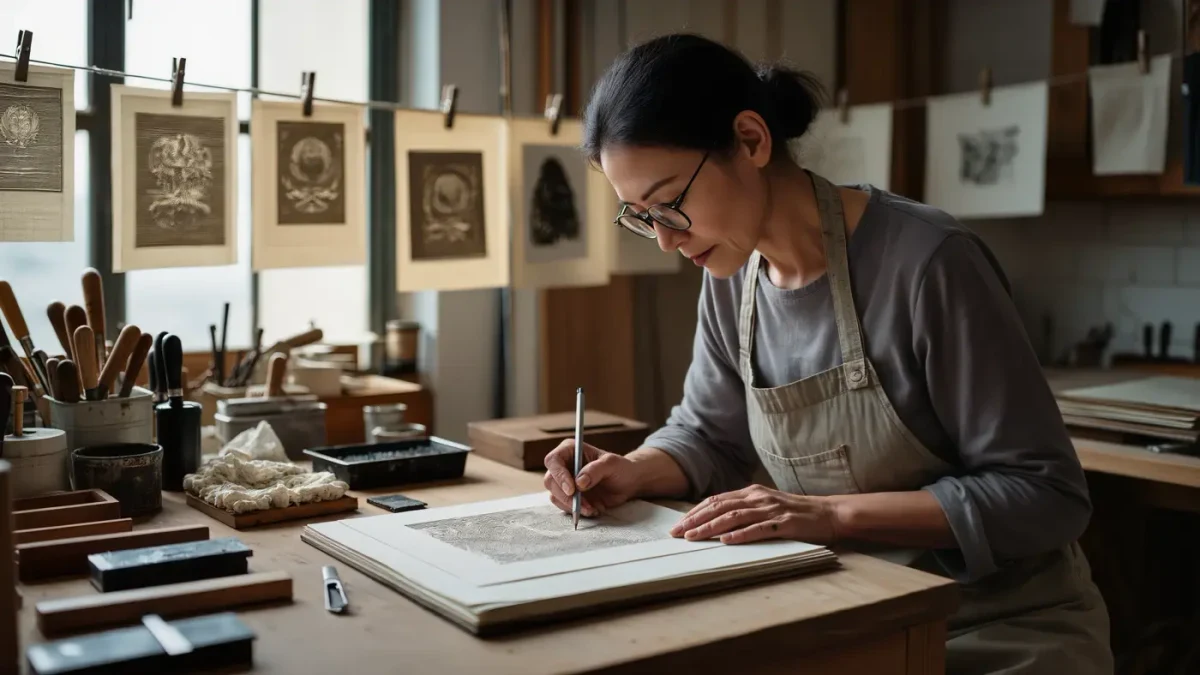
A limited edition is a promise printed in pencil — the numbers on the left, the edition size on the right, and a price ladder that only works if both stay honest.