Teaching is the income stream most makers try second, after fairs and online shops, and the one whose economics most often surprise. A workshop that fills looks like the best-paid day of the month; a workshop that half-fills can pay less per hour than the stall you turned down to teach it. The difference is rarely teaching talent — it is whether the arithmetic was done before the date was announced. Here is how experienced tutors build a class that pays.
What does a craft workshop actually cost to run?
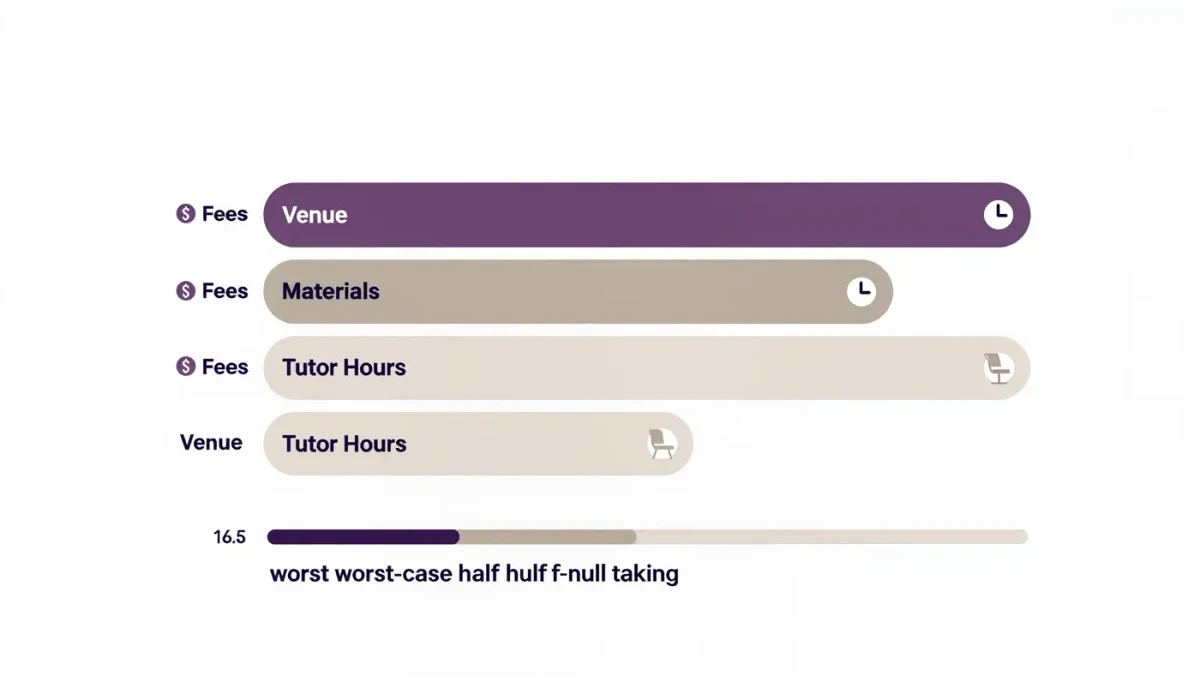
Four cost groups, none optional. The venue: community halls hire by the hour at modest rates, dedicated studios more, and your own workshop costs you nothing in cash but plenty in clean-up and access. The materials: priced per participant, prepared in advance — clay wedged, kits assembled, handouts printed — because participants pay for the class, not your preparation show. The fixed costs: insurance, ticketing platform fees, card processing and advertising. And the hours: not just the three teaching hours, but preparation, travel, set-up, pack-down and the message thread that answered fourteen questions about parking.
A worked example at community-hall rates: six participants at £45 each is £270 through the door. Hall hire for four hours might take £60, materials £12 a head another £72, ticketing and card fees around £10 — leaving near £128 for a day that, counted honestly, runs to eight hours including prep and travel. That is £16 an hour before tax: survivable, improvable, and only visible because the numbers were written down.
Related stories: How to Apply to Craft Fairs When Every Stall Is Judged Before You Arrive · Open Studios Season Explained: The Friendliest Way to Sell What You Make.
How do tutors make the numbers work?
- Cap the class where the teaching stays good — for most crafts eight to twelve is the ceiling, fewer where tools are shared or safety matters.
- Price for the half-full worst case, not the sold-out best case, so a quiet session still clears costs.
- Take deposits or full payment on booking; free bookings evaporate at rates that would shock anyone outside teaching.
- Sell materials kits onward — the same kit participants used, boxed for home practice, at a margin.
- Run series rather than one-offs: a three-week course spreads prep hours across more income and builds a returning group.
What about the paperwork?
Workshop income is trading income like any other, counted alongside sales in your records, and a maker crossing the UK's £1,000 trading allowance enters self-assessment territory — the same registration and record-keeping rules covered in GOV.UK's sole trader guidance. Public liability insurance, already familiar from fairs, covers taught sessions too, and venues increasingly ask to see it before confirming a hire. None of the paperwork is heavy; all of it is heavier retrofitted.
The tutors who last treat a class exactly as they treat a product line: priced honestly, capped deliberately, reviewed each season. Teaching then does what it does best — pays the bench, fills the calendar's quiet months and quietly recruits the next maker.