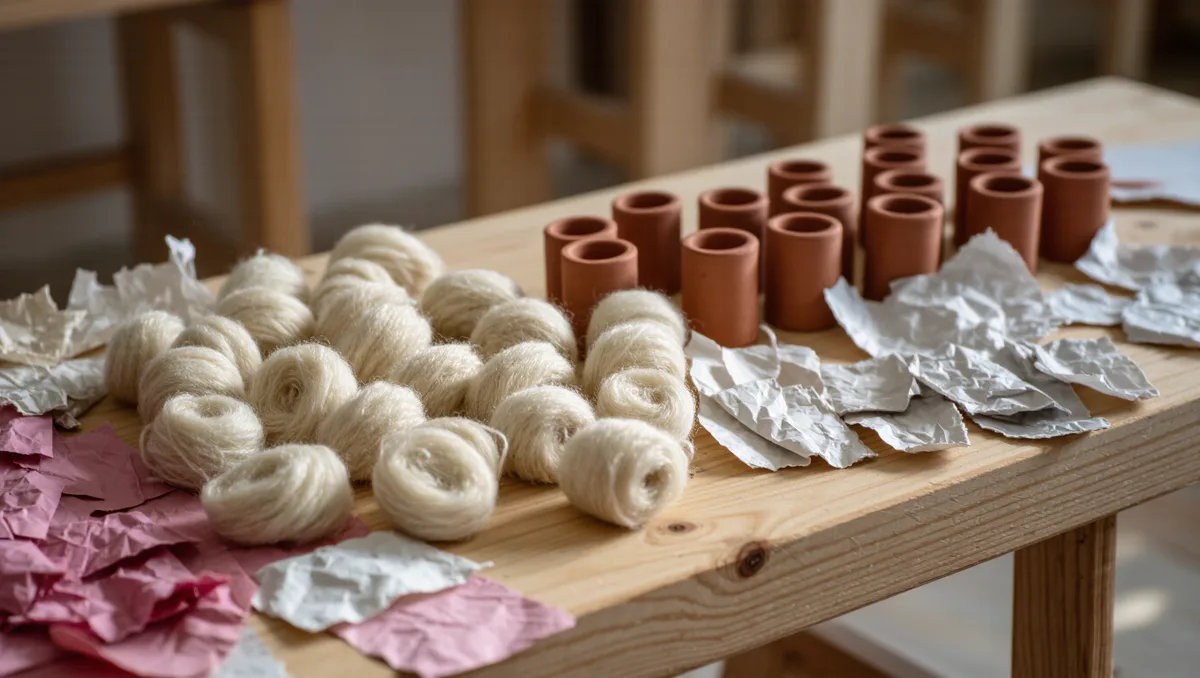
Newspaper crafts for preschoolers are paper projects — tearing, scrunching, gluing and painting old newsprint — that suit children aged roughly three to five. They need almost no preparation, cost next to nothing, and quietly build the small hand muscles children later use for holding pencils and using scissors.
The appeal is practical as much as creative. A stack of old newspaper, a glue stick and a tub of scraps will keep a small child busy for an afternoon. Nothing is precious, so nothing is stressful: if the collage becomes a brown smear, the whole thing goes in the recycling and nobody minds.
This guide sets out which projects suit which ages, what the activities actually teach, and how to keep the session safe and calm. If you want more step-by-step makes beyond paper, our tutorials section gathers them in one place.
Why is newspaper such a good material for little hands?
Newspaper is thin, light and tearable. That last quality matters more than it sounds. Preschoolers cannot yet cut cleanly or fold crisply, but almost any child can tear paper — and tearing is itself the exercise. It strengthens the fingers, the thumb and the wrist in exactly the pattern needed for later pencil grip.
The material is also forgiving. Newsprint is grey and busy, so a wobbly glue line or a torn edge disappears into it. Children who freeze when handed a pristine white sheet often relax when handed the sports pages.
There is a language benefit hiding in the material too. Newsprint is covered in print, so even a tearing session puts letters and headlines in front of a child. And sound play alongside paper work supports early literacy: as one teaching-resource collection explains, rhyme awareness helps children notice sound patterns and word families, which builds confidence in early reading and spelling. You can read how rhyme patterns are used in early poetry teaching and borrow the idea simply by chanting rhymes while you tear.
What does each activity actually build?
Fine motor skills are the small, precise movements of hands and fingers. Every newspaper craft trains them, but different projects train different parts: Readers following this should also see The Red List of Endangered Crafts Explains Why Some Skills Are Slipping Away.
- Tearing builds hand and finger strength. Best for the youngest children.
- Scrunching builds the arch of the palm and the pincer grip. Good for all ages.
- Gluing and placing builds hand-eye coordination and control of pressure.
- Brushing paste builds shoulder and wrist steadiness.
- Threading or lacing rolled paper tubes builds two-handed coordination, for older preschoolers.
None of this needs to be explained to the child. The skill is inside the play. Our job as adults is to set the table and then get out of the way.
Five projects, from easiest to most ambitious
Start where your child is, not where the list starts.
- Free tearing collage. Tear newspaper into any shapes, glue onto card. Nothing else. This is the warm-up project for a first session.
- Paper mud pies. Scrunch sheets into balls, then sort them into bowls by size. Sorting adds early maths without a worksheet in sight.
- Scrunched-picture mosaic. Scrunch small squares of colourful magazine pages and glue them inside a drawn outline — a fish, a tree, a rainbow. The crumpled texture makes the finished picture feel three-dimensional.
- Papier-mâché bowl. Dip strips of newspaper in watered-down paste, lay them over an upturned bowl, leave to dry, then peel off and paint. This is a two-session project and suits children nearing school age.
- Newspaper beads. Roll long triangles of paper tightly around a pencil, glue the tip, then thread the beads onto wool. The threading is the challenge; the beads are the prize.
How do you keep the session safe and calm?
The risks in a newspaper craft session are small but real, and they are all manageable with preparation.
- Scissors stay adult-only until a child can use safety scissors competently. Introduce them with you sitting beside the child, never across the table.
- Choose glue carefully. A glue stick or standard school paste suits preschoolers; liquid adhesives and anything solvent-based belong on a higher shelf. Check the age guidance on whatever you buy.
- Watch small parts. Newspaper beads, buttons and googly eyes all fit in mouths. Sit with the child, and keep items that size out of reach of younger siblings.
- Protect the table and clothes. An old sheet or a large cardboard box opened flat beats any plastic mat, and paste washes out far more easily when you are not anxious about it.
- Keep sessions short. Twenty to thirty minutes is a full session at this age. Ending while the child is still happy makes them want to come back tomorrow.
One quiet rule helps more than any other: the adult makes things alongside the child rather than making things for the child. A parent quietly tearing their own collage teaches more than a finished example ever could.
What this means for your week
None of this requires a craft budget or a plan. Keep a dedicated bag or drawer for old newspaper and magazine pages, add a glue stick and a pair of safety scissors when the time comes, and you have a standing activity ready for any rainy afternoon.
The deeper point is that craft at this age is not about the object. It is about hands learning what they can do. Newspaper, being cheap and unlovely, gives children permission to experiment — and that permission is where real making starts. For more on the ideas behind materials and making, our design coverage follows the same thread in grown-up studios, and our crafts news pages track what the wider craft world is doing. We covered a connected angle in Craft Funding Explained: How QEST Scholarships and Heritage Crafts Bursaries Work.
Where the paper trail leads next
The evidence here is simple and well established: tearing, scrunching and gluing build the physical foundations of later craft and writing, and they cost nothing. What remains unknown is only which project will capture your particular child — and that is a question no article can answer for you. Start with the tearing collage, watch what the hands want to do next, and follow them.