Pricing handmade work is where most makers quietly lose money. The fix is not confidence; it is arithmetic. A defensible price covers your materials, pays your hours at a rate you would accept from an employer, and absorbs the invisible costs of running a studio — and it can be written down in one line. This guide sets out how makers who sell regularly build that line, and where the common formulas go wrong.
What should a handmade price actually cover?
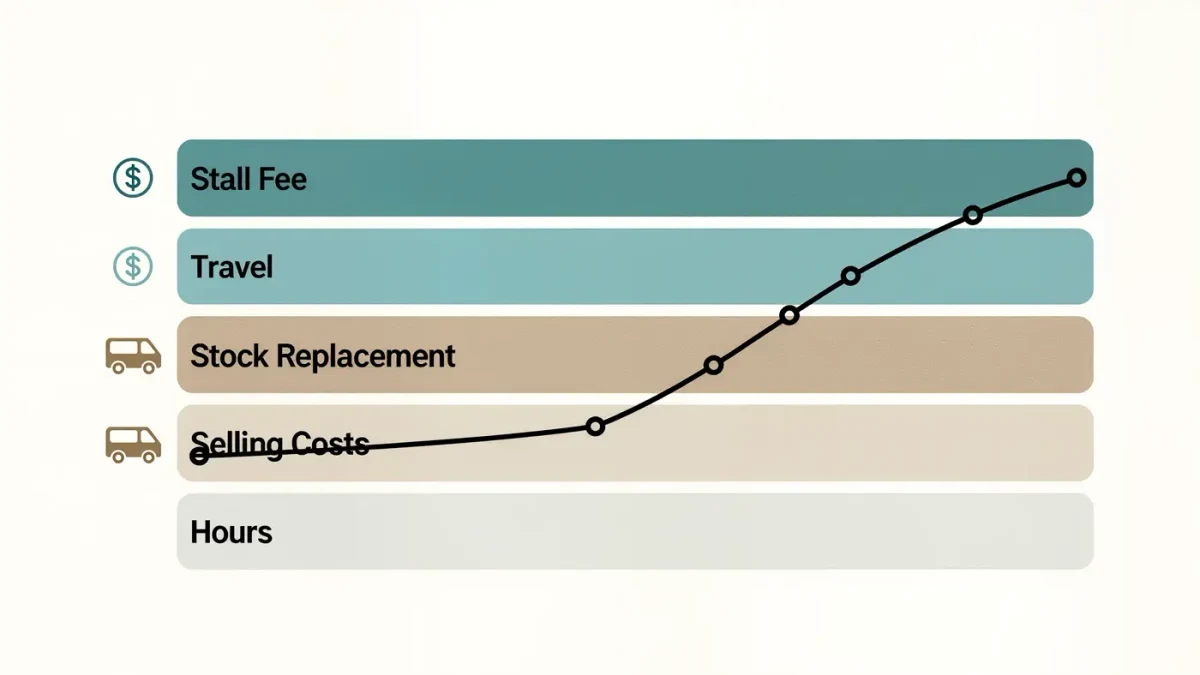
A price needs to carry more than the obvious outlay. Materials are the visible part: clay, wool, paper, ink, packaging and the card-reader fee. The invisible part is bigger — studio rent, tool replacement, kiln electricity, insurance, postage failures, the fair you drove five hours to attend, and every message answered after midnight. Working makers commonly treat overheads as a percentage uplift on materials and labour rather than tracking each cost individually, which keeps the maths possible without an accountant.
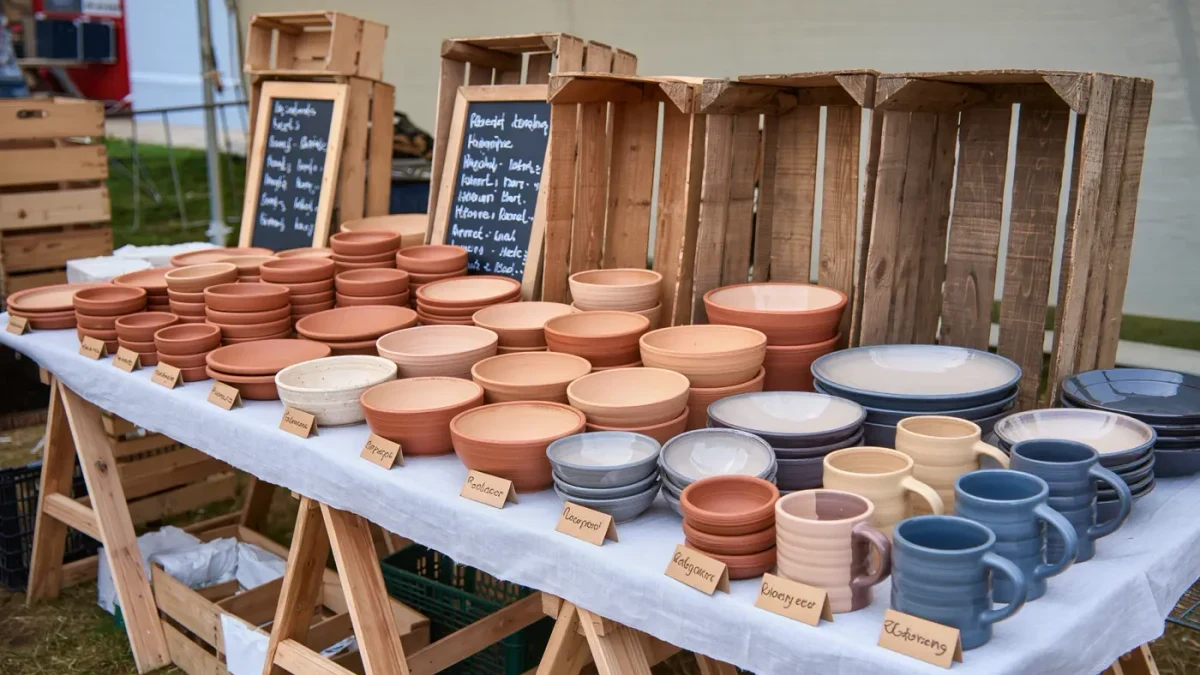
Time is the cost makers forget first. Pattern cutting, test pieces, photographing stock, writing listings and packing orders all belong in the price of the piece in front of the buyer. A useful habit from working studios: log hours per batch, not per item, then divide. A run of ten mugs shares one wedging, one glaze test and one photo session.
Which pricing formula holds up?
Two formulas dominate craft pricing, and both work when used honestly. The first is materials multiplied by a factor — commonly three or four — with the multiplier standing in for labour and overheads. It survives scrutiny only when your materials are the dominant cost and your process is quick; a silk-and-gold-thread embroidered piece priced this way can work, a hand-thrown mug cannot.
The second is the hourly build: materials + (hours × hourly rate) + overhead percentage. It is slower but defensible, because you can show a buyer or a grant panel exactly where the number comes from. Say £6 of stoneware clay and glaze, one hour at your rate, and a 20 per cent overhead uplift on the subtotal — whatever the arithmetic produces is the price, rounded honestly. If the result feels unsellable, the answer is a cheaper process, a smaller batch or a different market, never a silent wage cut.
Related stories: Artist's Resale Right Explained: The Royalty That Follows a Work for Decades · Shipping Ceramics and Prints Without Funding a Tragedy in Transit.
What does the law say your hour is worth?
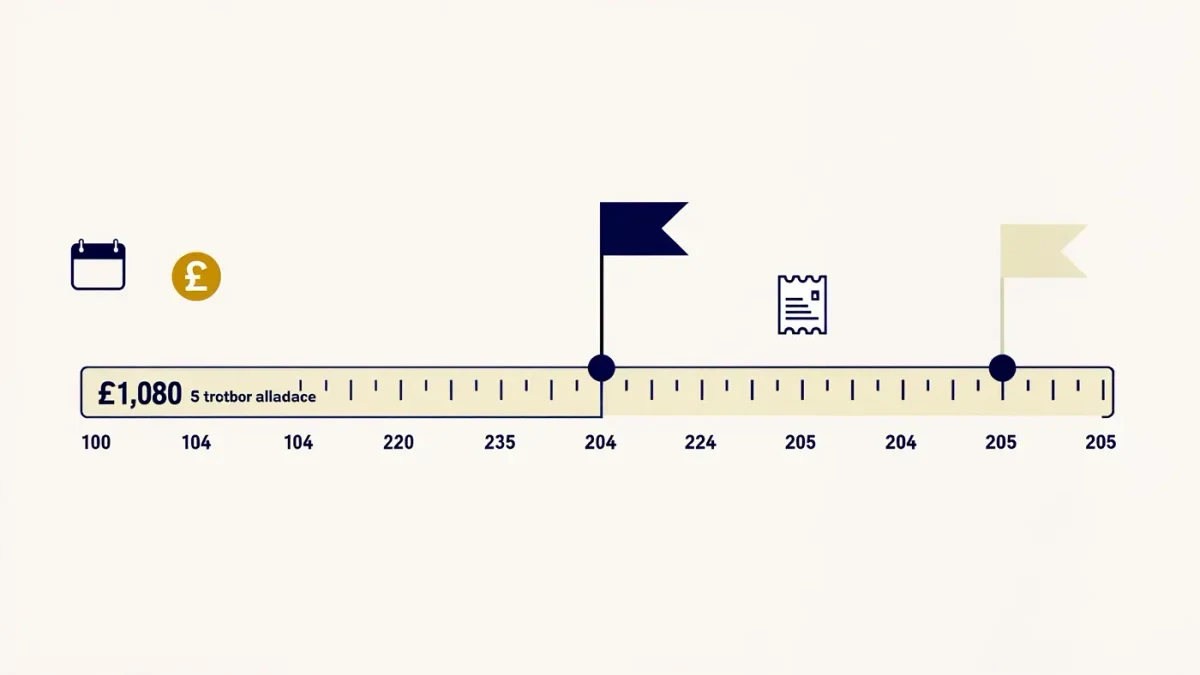
The UK's National Living Wage sets the legal floor for workers aged 21 and over, and it rose to £12.21 an hour in April 2025, per the published government rates. If your formula produces an effective hourly rate below that floor, the price is not clever — it is a subsidy from you to the buyer. Makers who teach, demonstrate or take commissions tend to price those hours at least at the statutory rate, and their bench hours higher, because skill is the product being bought.
Should you raise prices on existing work?
Yes, when costs move. Clay, wool and shipping have all risen since 2021, and a price list set two years ago is probably losing money now. The standard practice is an annual review: recompute materials, check your effective hourly rate, and move prices in one clear step rather than drifting upward in odd increments. Long-time buyers handle an honest increase better than a maker who disappears because the numbers stopped working.
None of this prices the poetry of a piece — its provenance, its maker's name, the decade of skill behind it. But poetry is the layer on top of the arithmetic, not a replacement for it. Start from a number you can defend, then let the work do the persuading, a distinction writing on craft economies returns to each season.